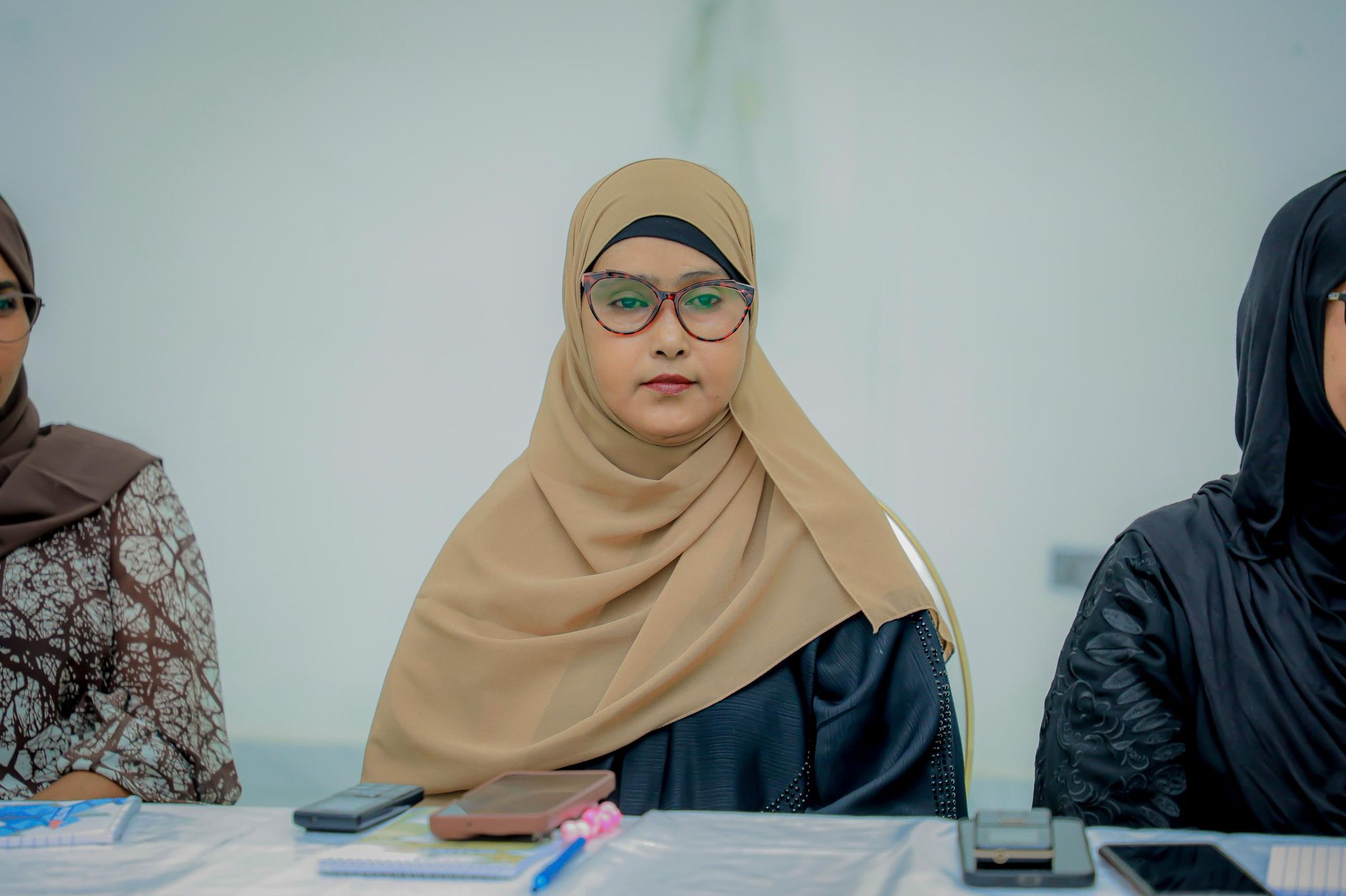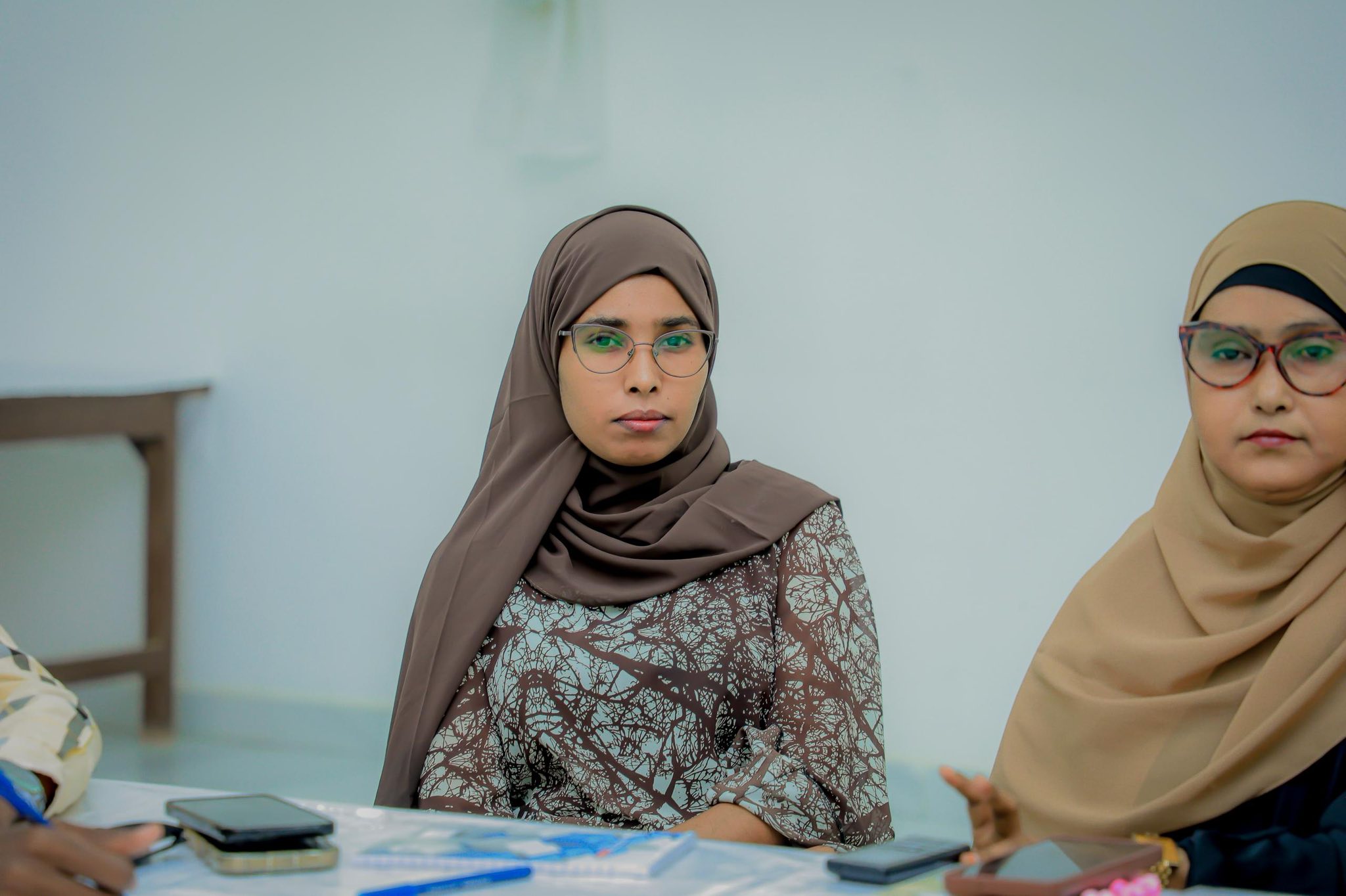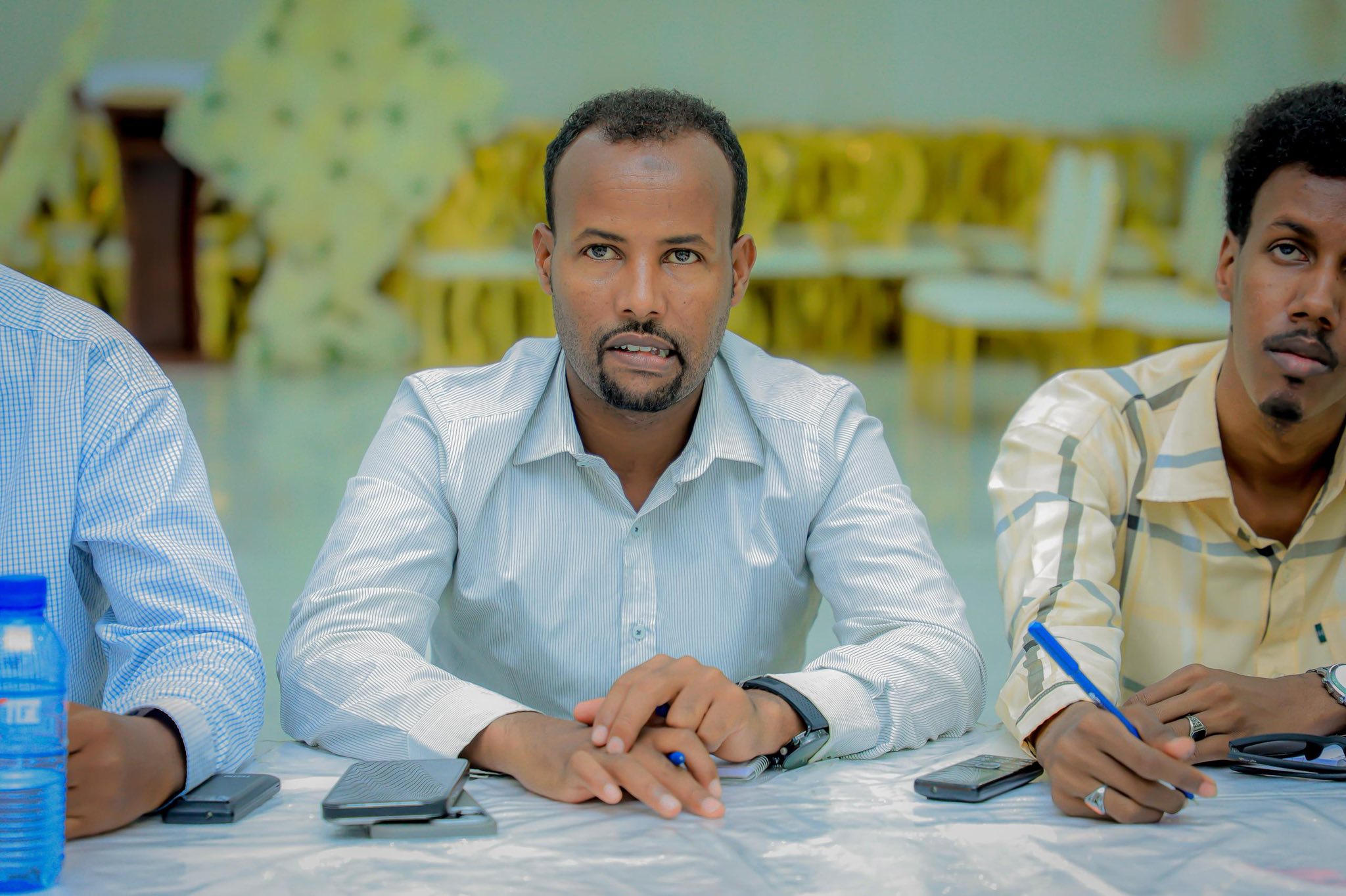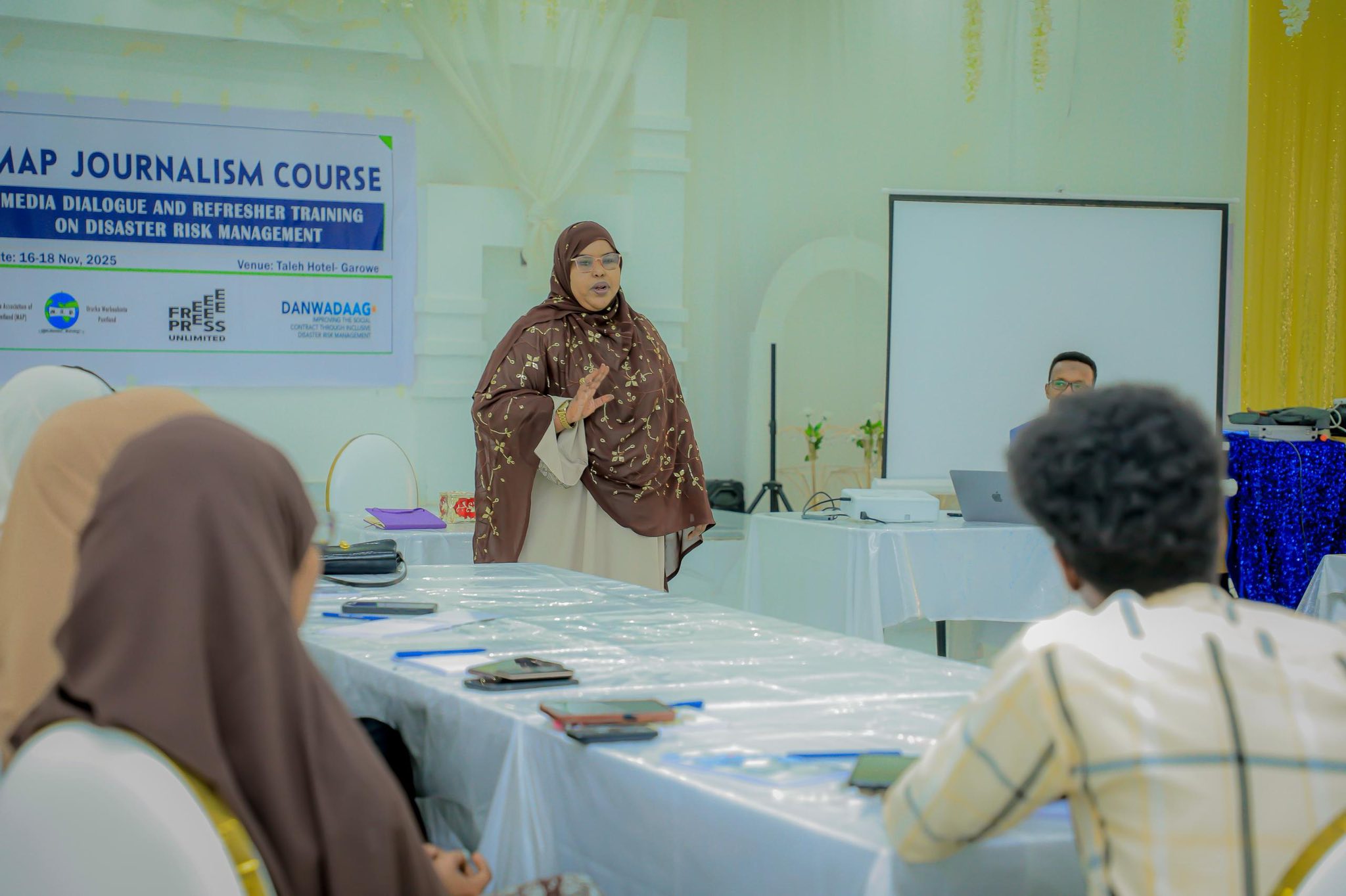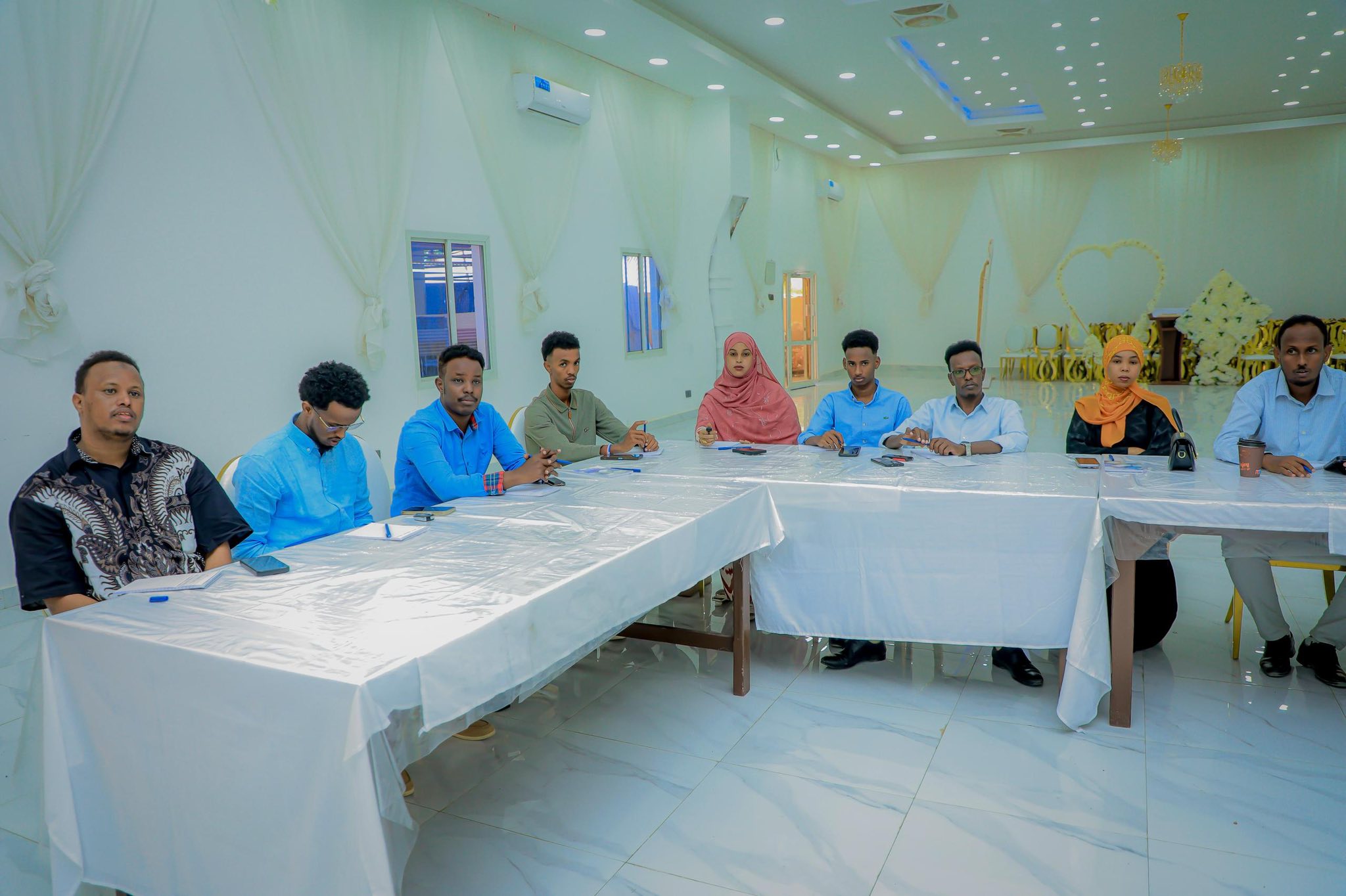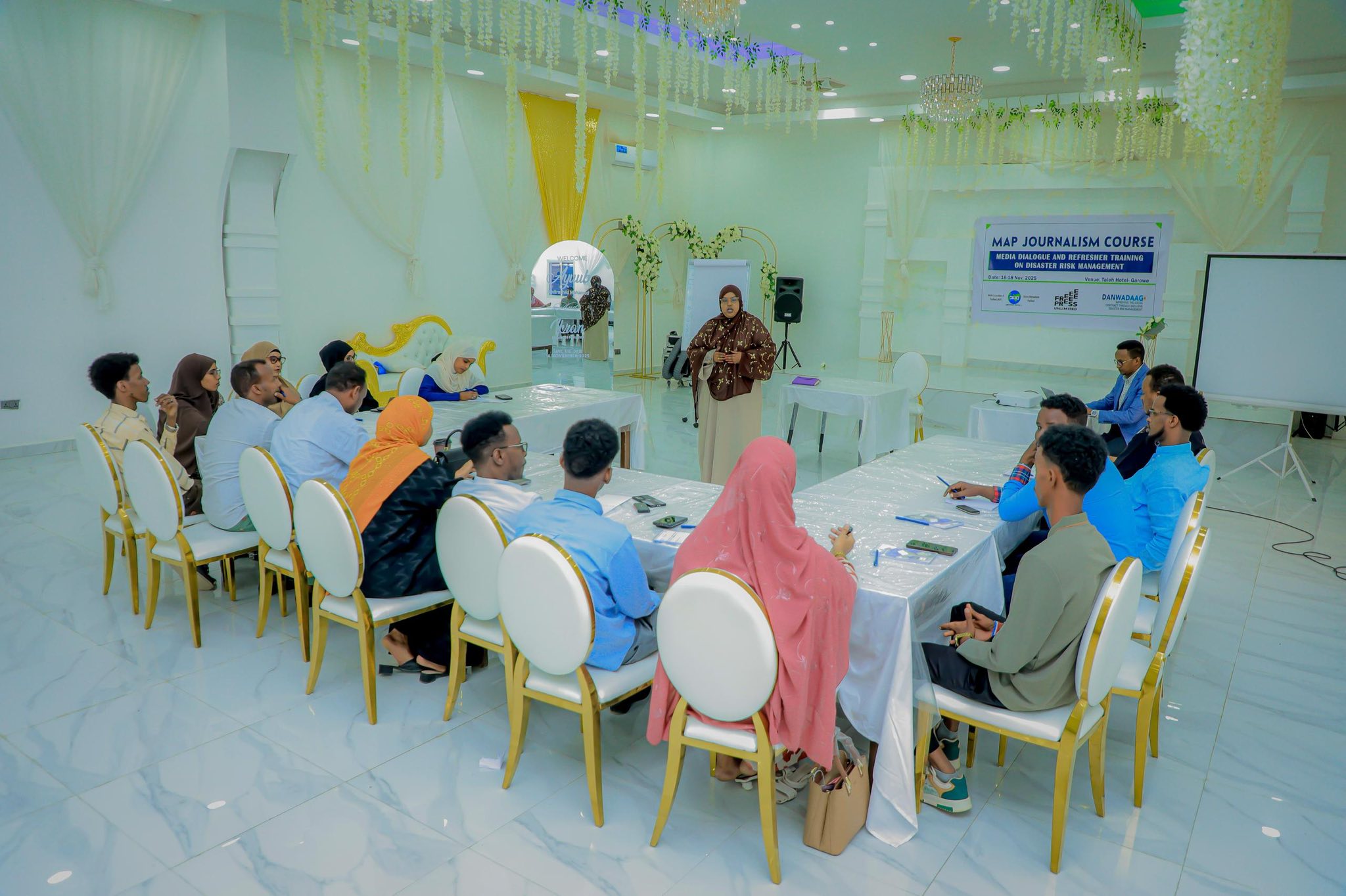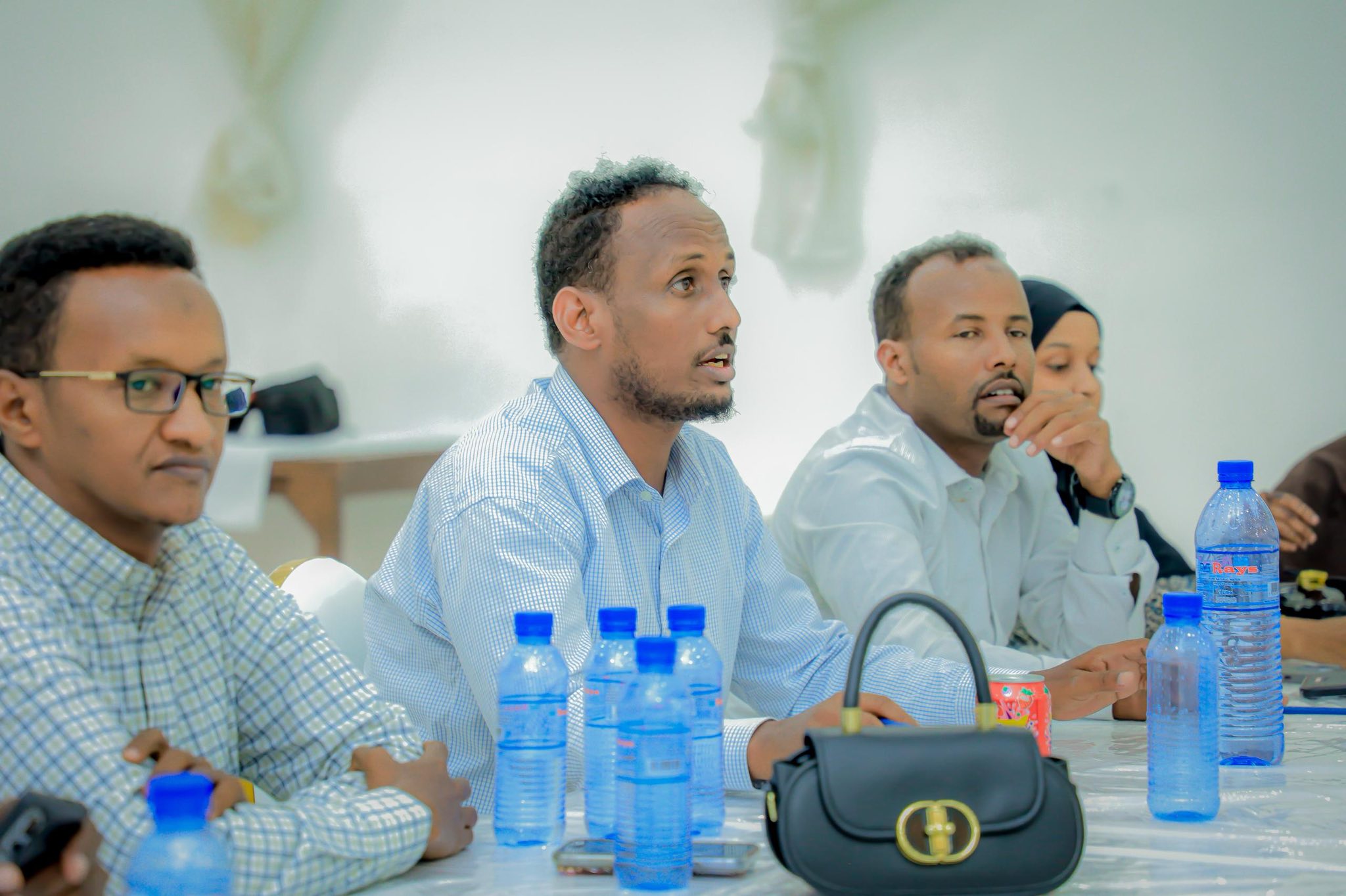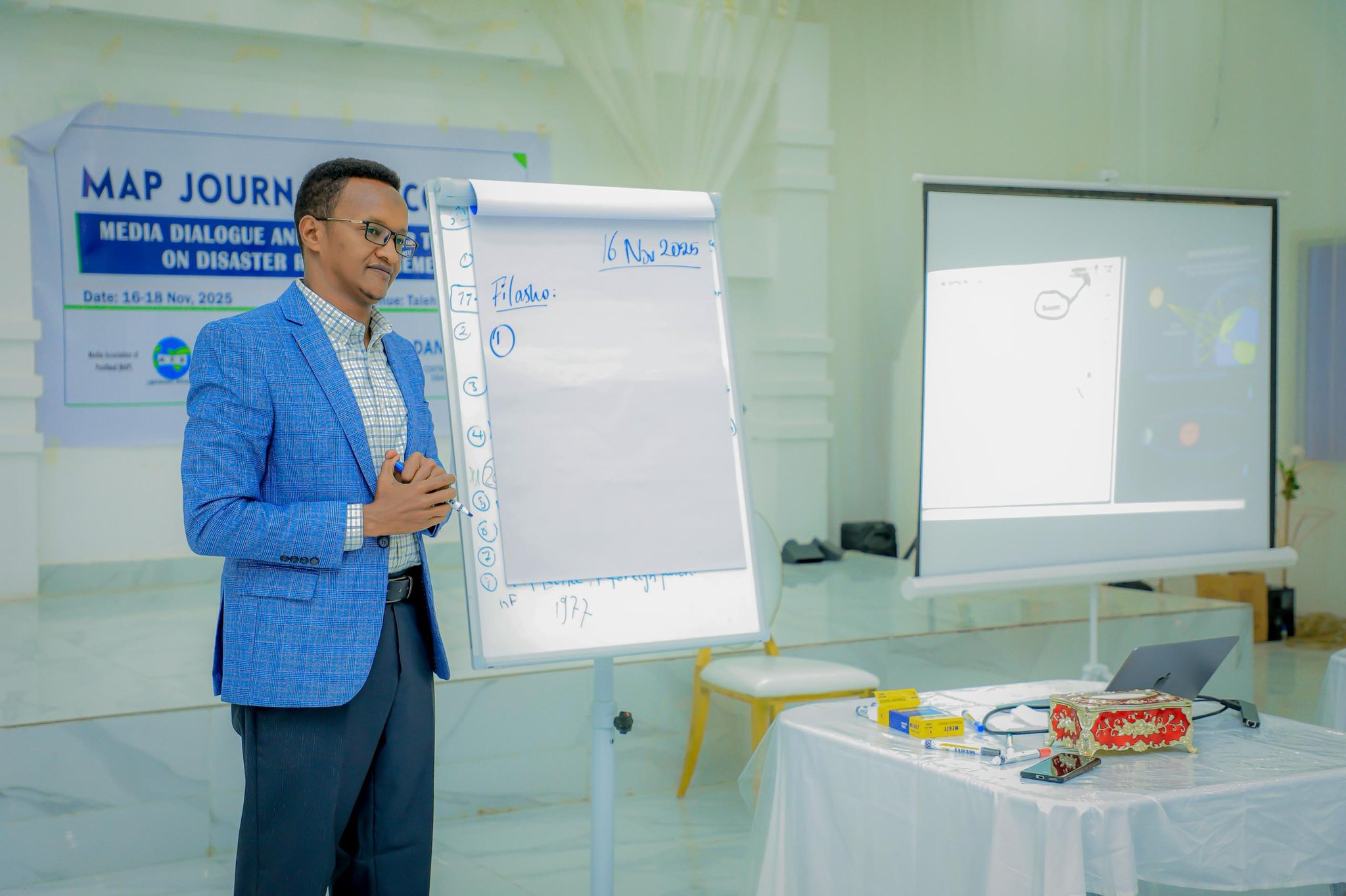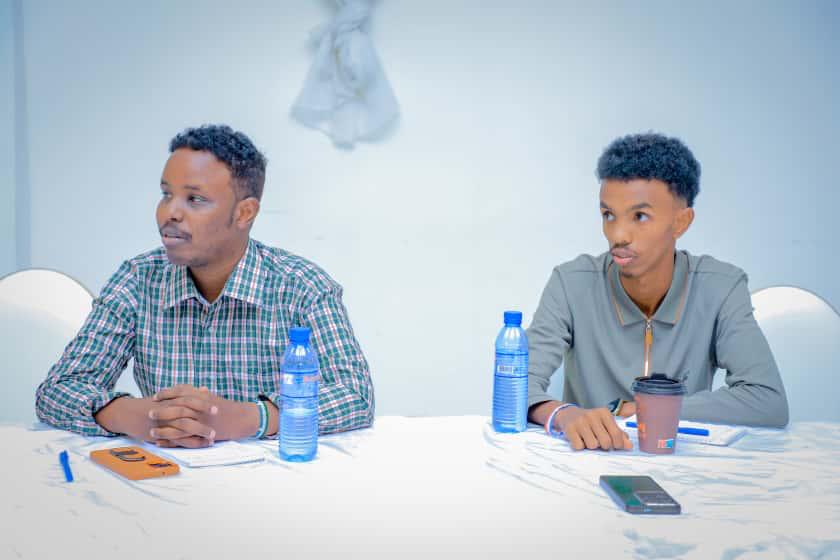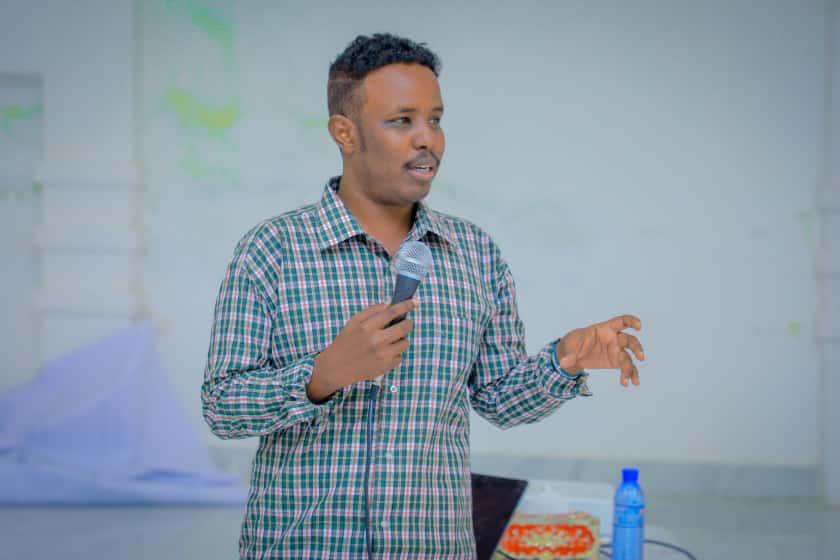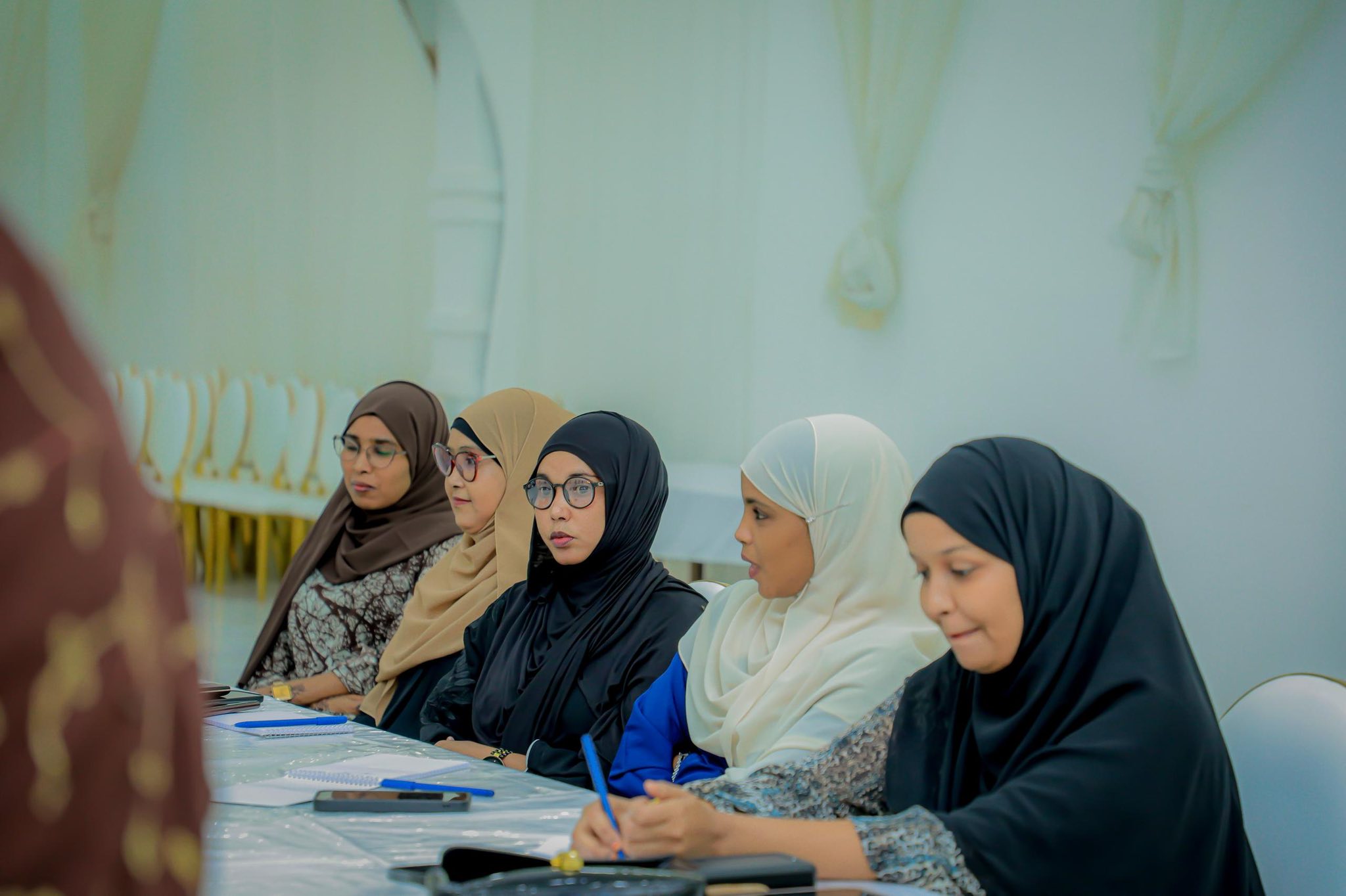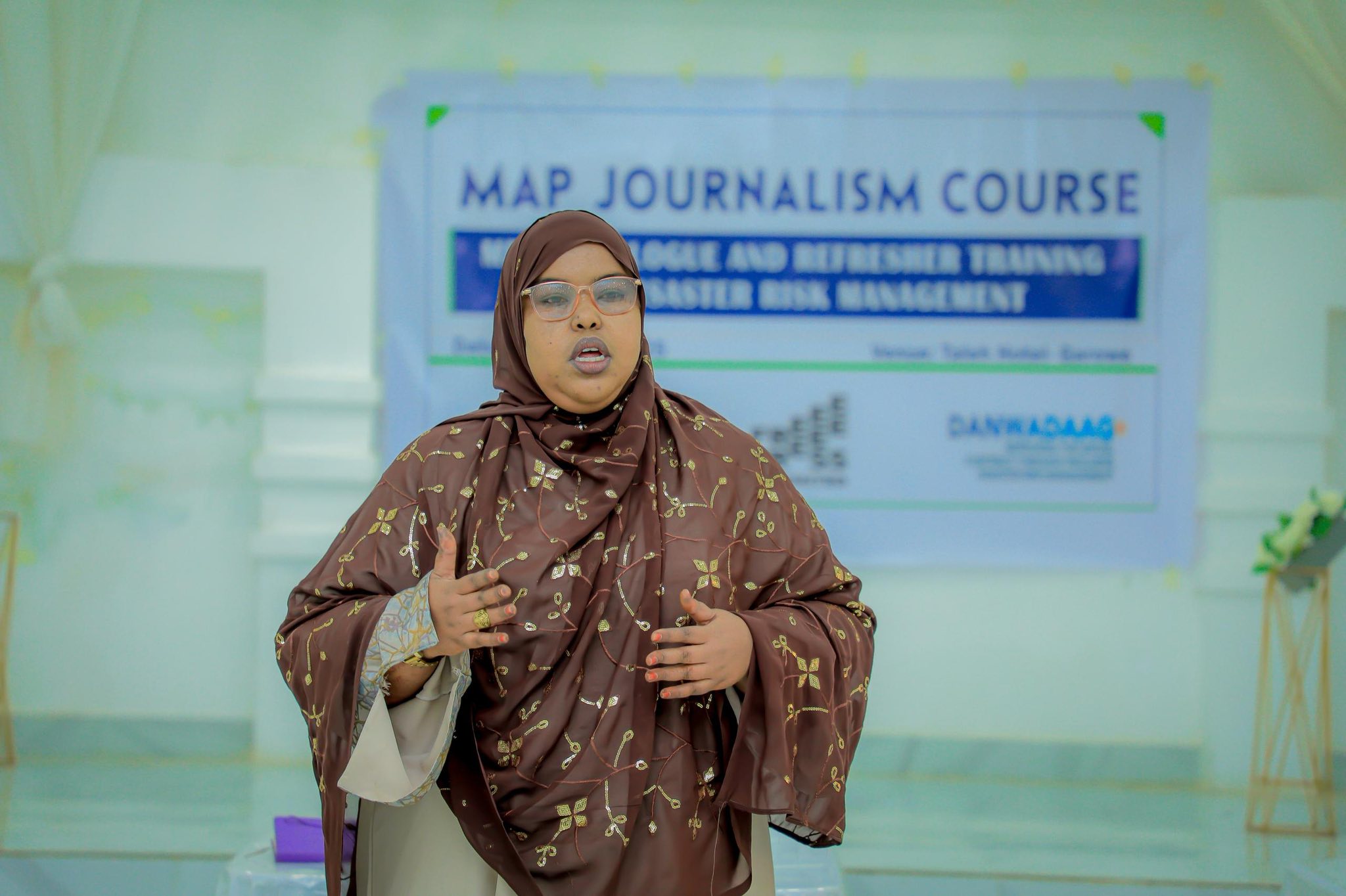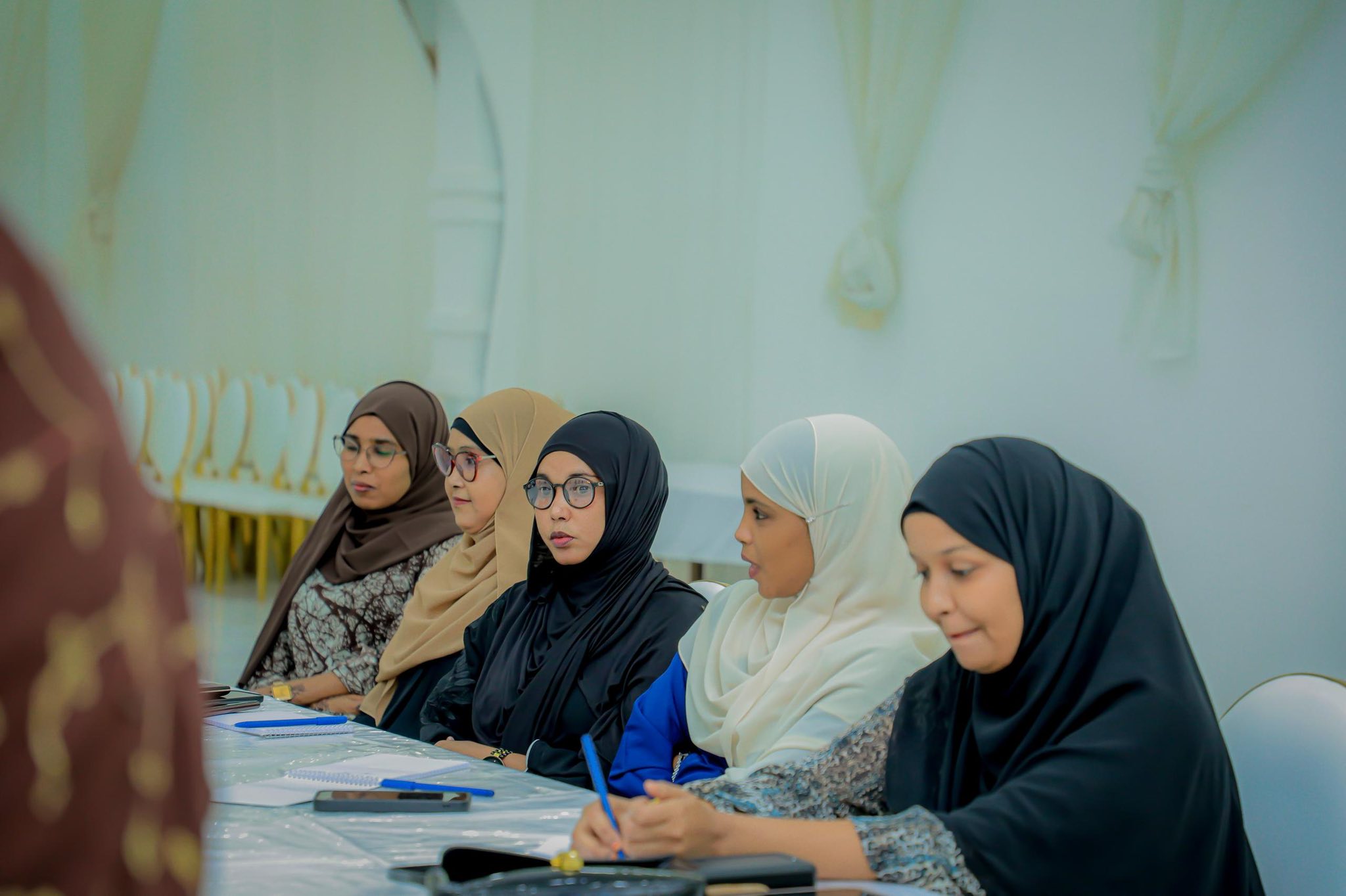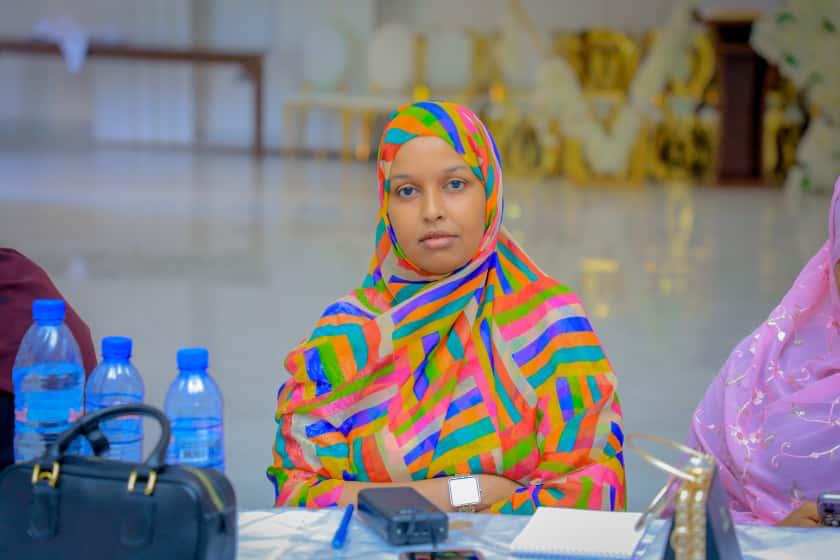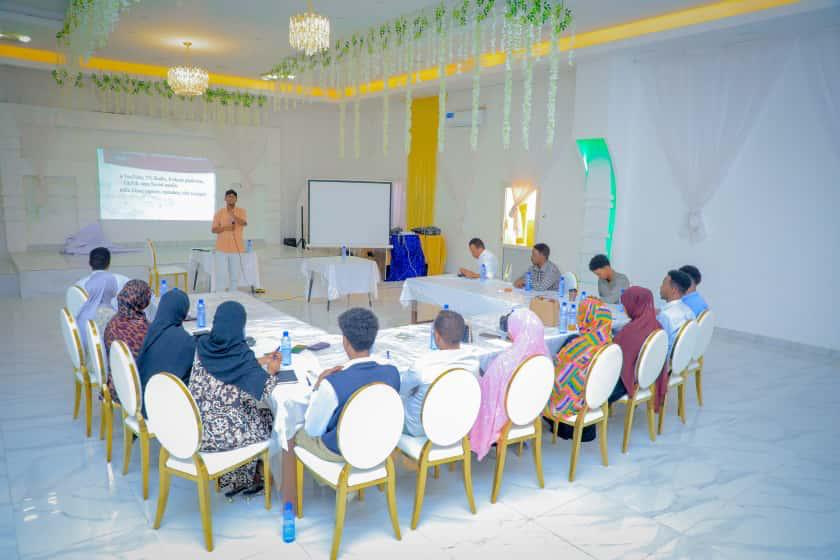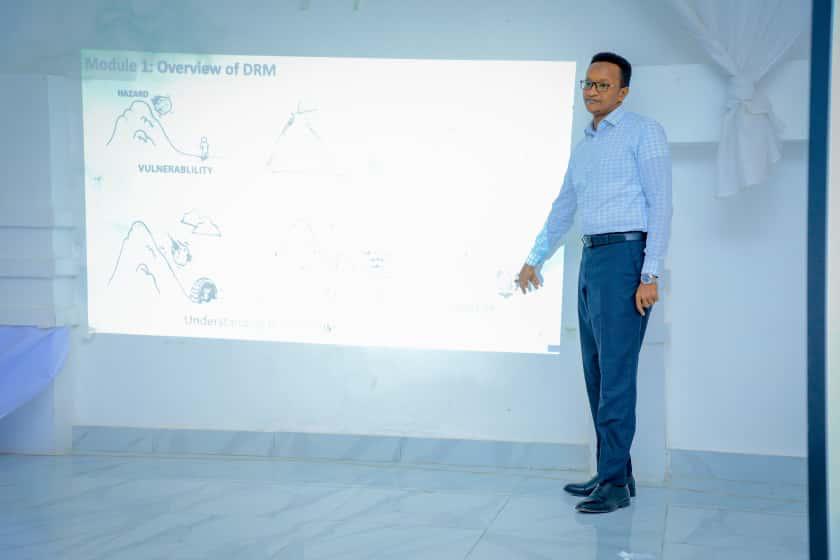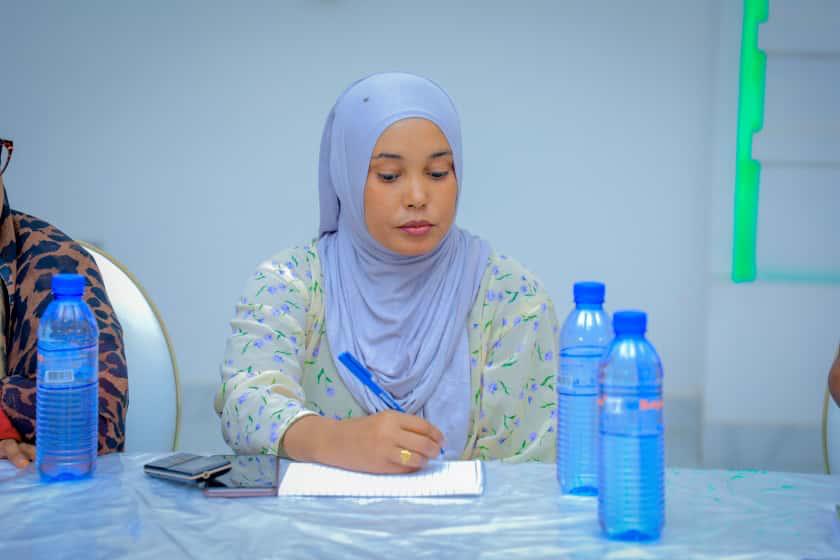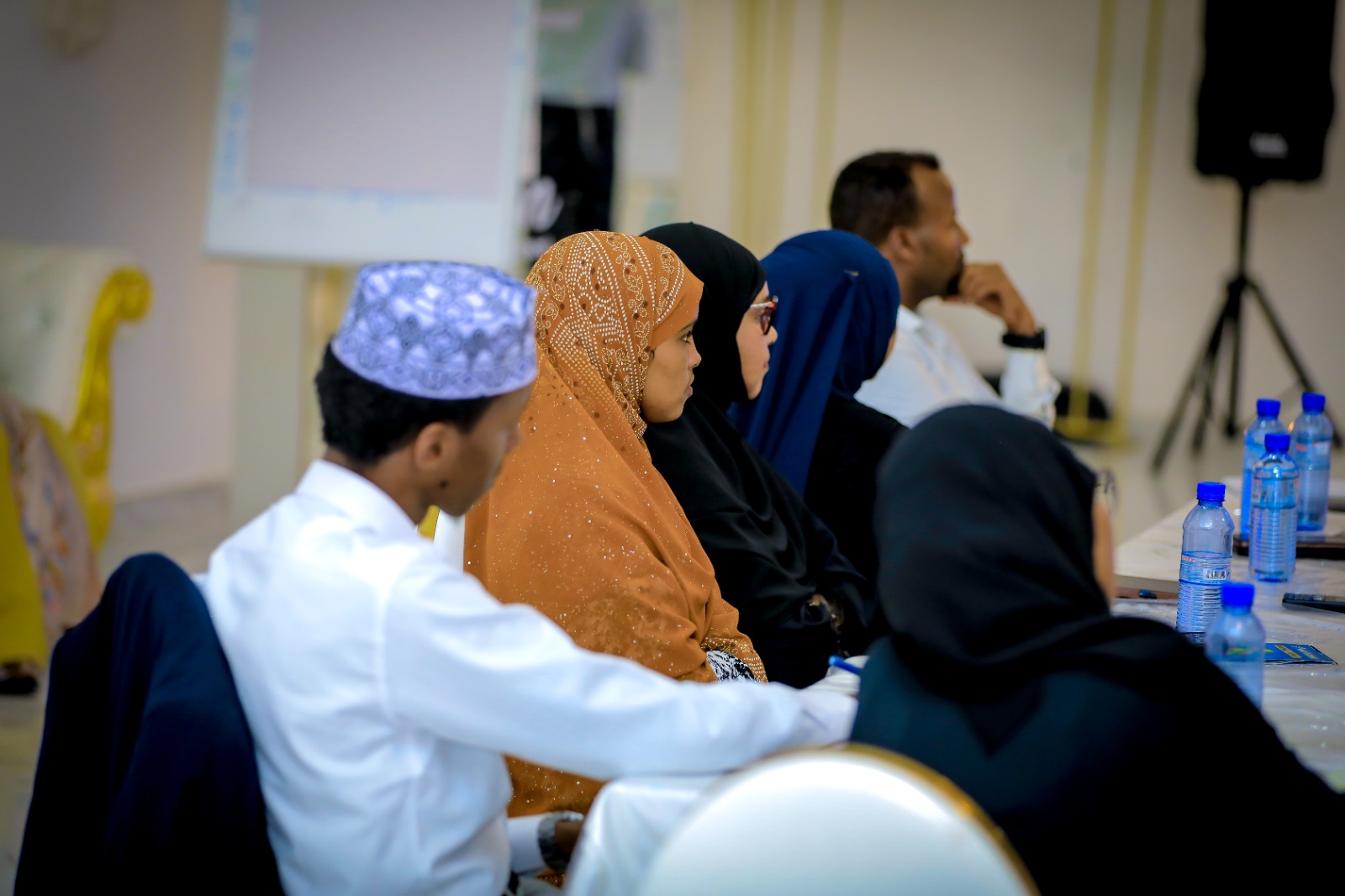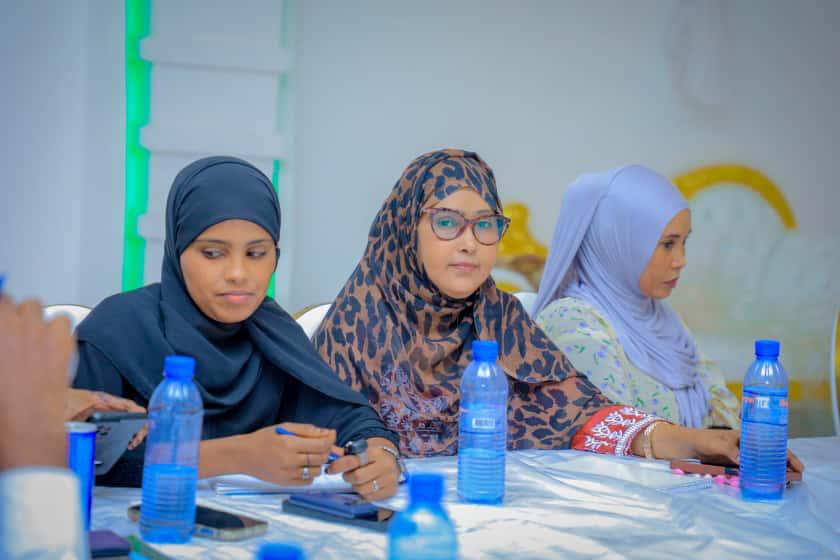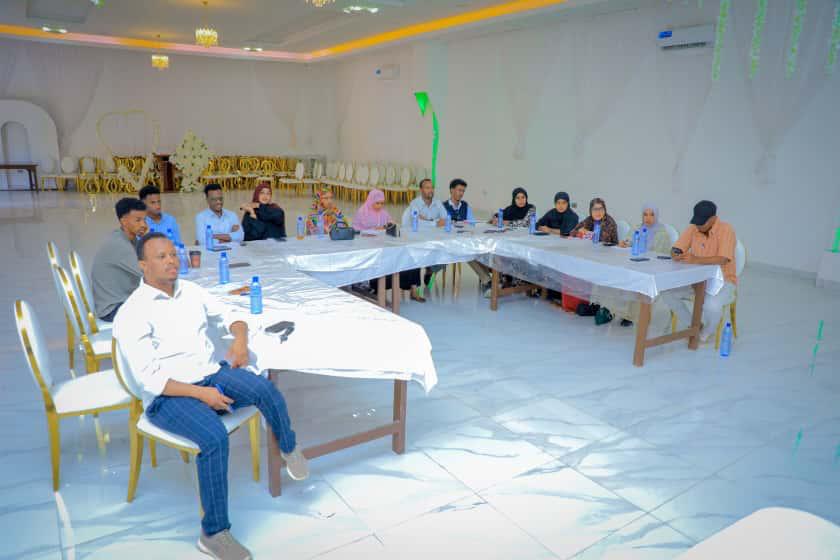
Garowe, Puntland, November 2025; The Media Association of Puntland (MAP) in partnership with Free Press Unlimited (FPU) is pleased to the successful completion of a three-day Media Dialogue and Refresher Training held from 16–18 November 2025 in Garowe.
The forum brought together twenty journalists from Garowe, Gardho, Carmo, and Waaciye under the Danwadaag (DW) Program and provided an essential platform for strengthening the quality, depth, and public value of Disaster Risk Management (DRM) reporting in Puntland. In a context where climate-induced emergencies, environmental degradation, and human-made crises are becoming increasingly frequent, the role of journalists in shaping public awareness, guiding communities, and fostering transparency has never been more crucial.
In her opening remarks, MAP Secretary General Naima Musse emphasized the vital role of the media in building disaster-resilient societies. “Our journalists are not just storytellers; they are a frontline public resource. Their reporting can guide families to safety, inform responsive decision-making, and ensure that institutions fulfil their responsibilities to protect lives and dignity. Strengthening their capacity is a strategic investment in community resilience,” she said. Her remarks set the tone for a training designed to empower journalists with the knowledge, confidence, and tools needed to navigate the complex landscape of emergency communication and climate-related risks.
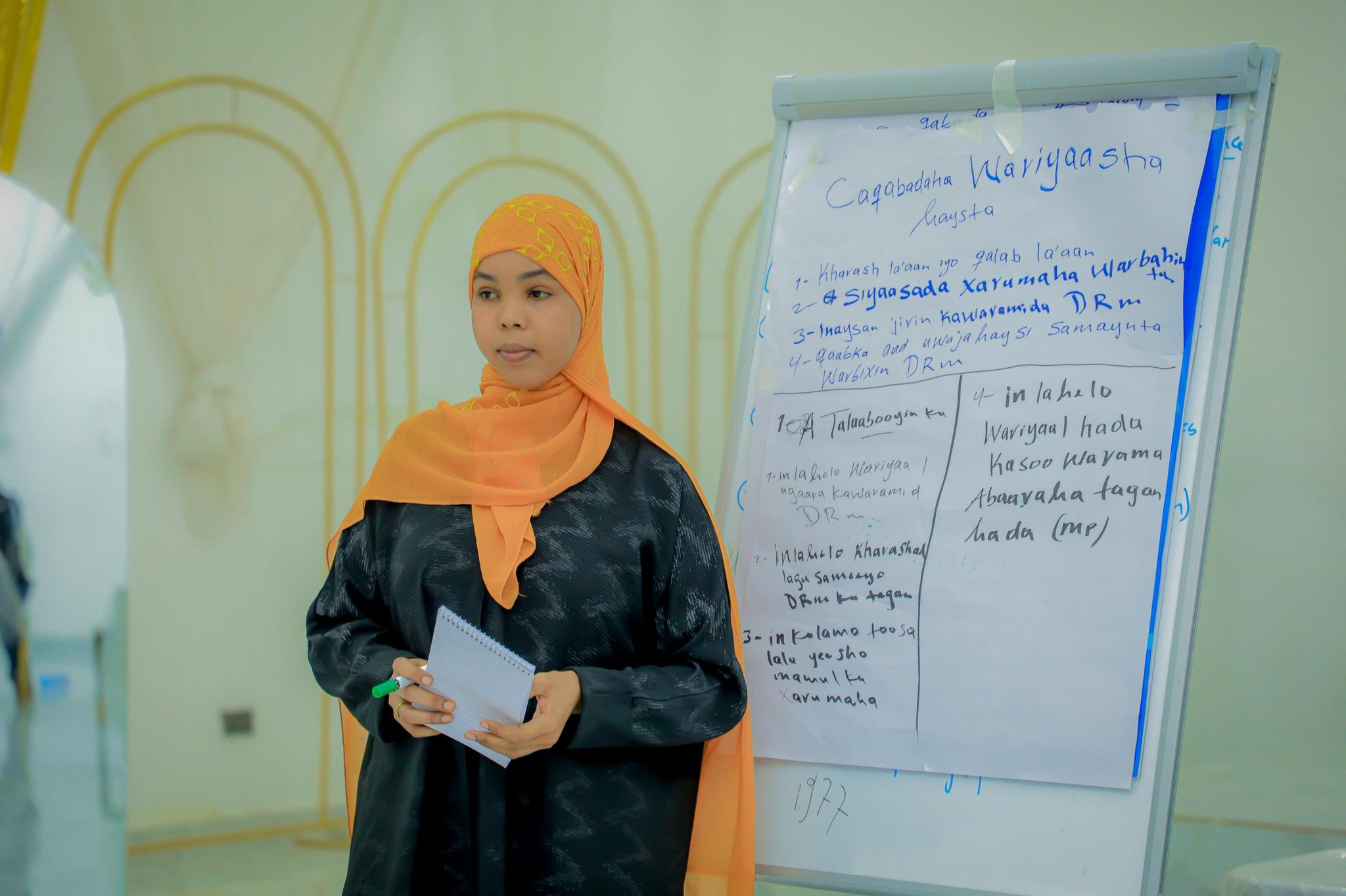
The discussion opened with a candid look at DRM reporting in Puntland—celebrating progress but calling out real gaps: weak coordination, slow information flow, and the tough logistics that limit field coverage. The message was clear: strong disaster reporting needs both skilled journalists and an information ecosystem that works.
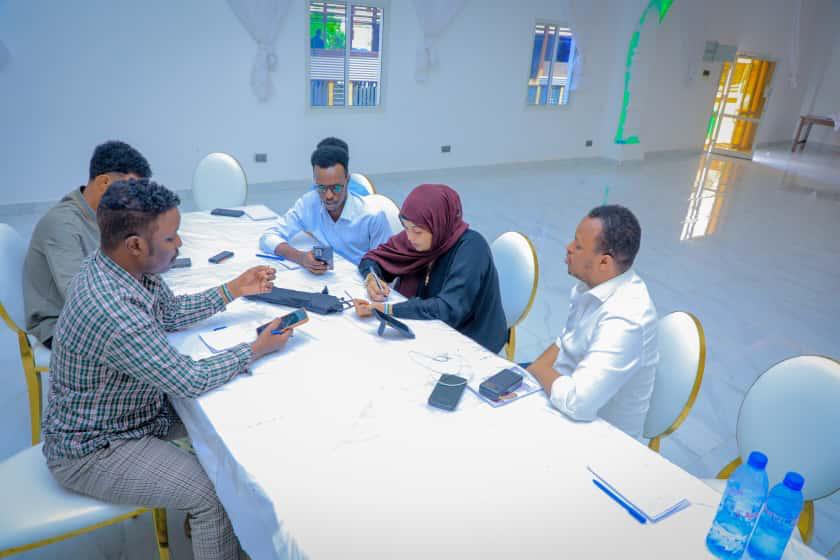
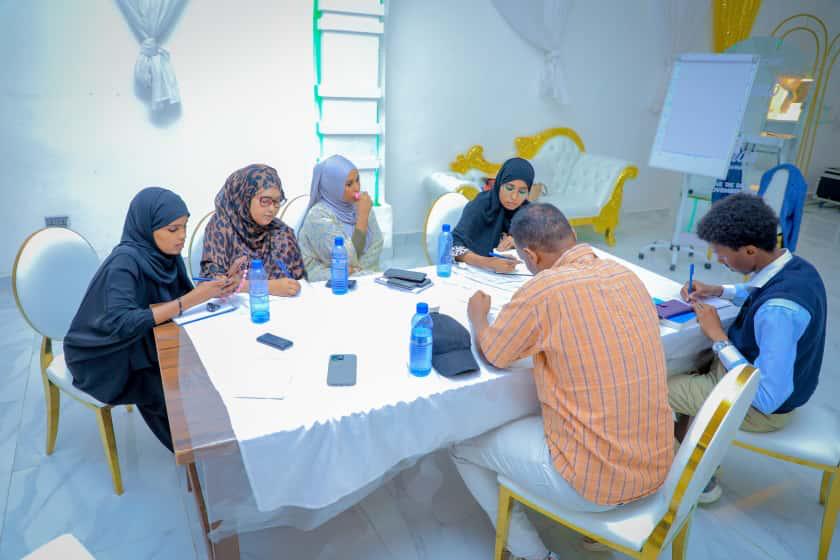
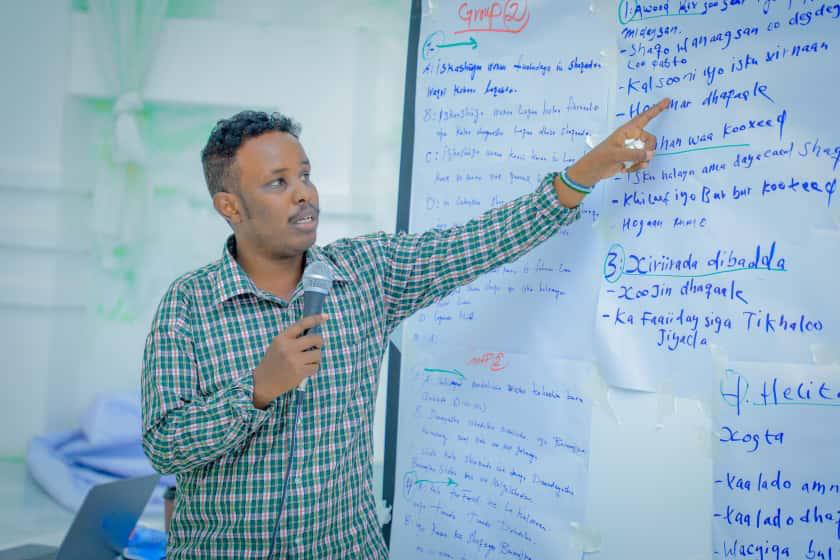
The training quickly shifted into action. Participants refreshed core DRM concepts and practiced turning complex data into fast, accurate, lifesaving information. Scenario drills showed how quickly misinformation can escalate a crisis, reinforcing the need for clarity, verification, and speed.
Rather than dwell on financial and technical constraints, journalists explored practical fixes—like forming small reporting clusters to share tools, pool expertise, and widen coverage across droughts, floods, fires, cyclones, and disease outbreaks.
The storytelling and advocacy session pushed journalists to think bigger: using powerful, evidence-based reporting to amplify community voices, influence policy, and drive accountability. The takeaway was simple—journalists aren’t bystanders in emergencies; they are frontline actors shaping how communities understand and respond to disasters.
The training’s participatory approach—peer exchanges, group analysis, and simulations—created an energetic space for shared learning. Journalists from Garowe, Gardho, Carmo, and Waaciye compared realities, built networks, and highlighted the challenges of reporting from areas with limited institutional support. Their regional insights reinforced the need for stronger cross-district collaboration long after the training ends.
The programme closed with a clear, collective commitment to elevating DRM reporting across Puntland. Participants left more confident in their skills, ethics, and advocacy role, while calling on MAP to keep the momentum through regular dialogues and better communication channels with disaster actors. The engagement also sparked a growing peer network poised to support joint reporting, mentorship, and continuous learning across the region.
END