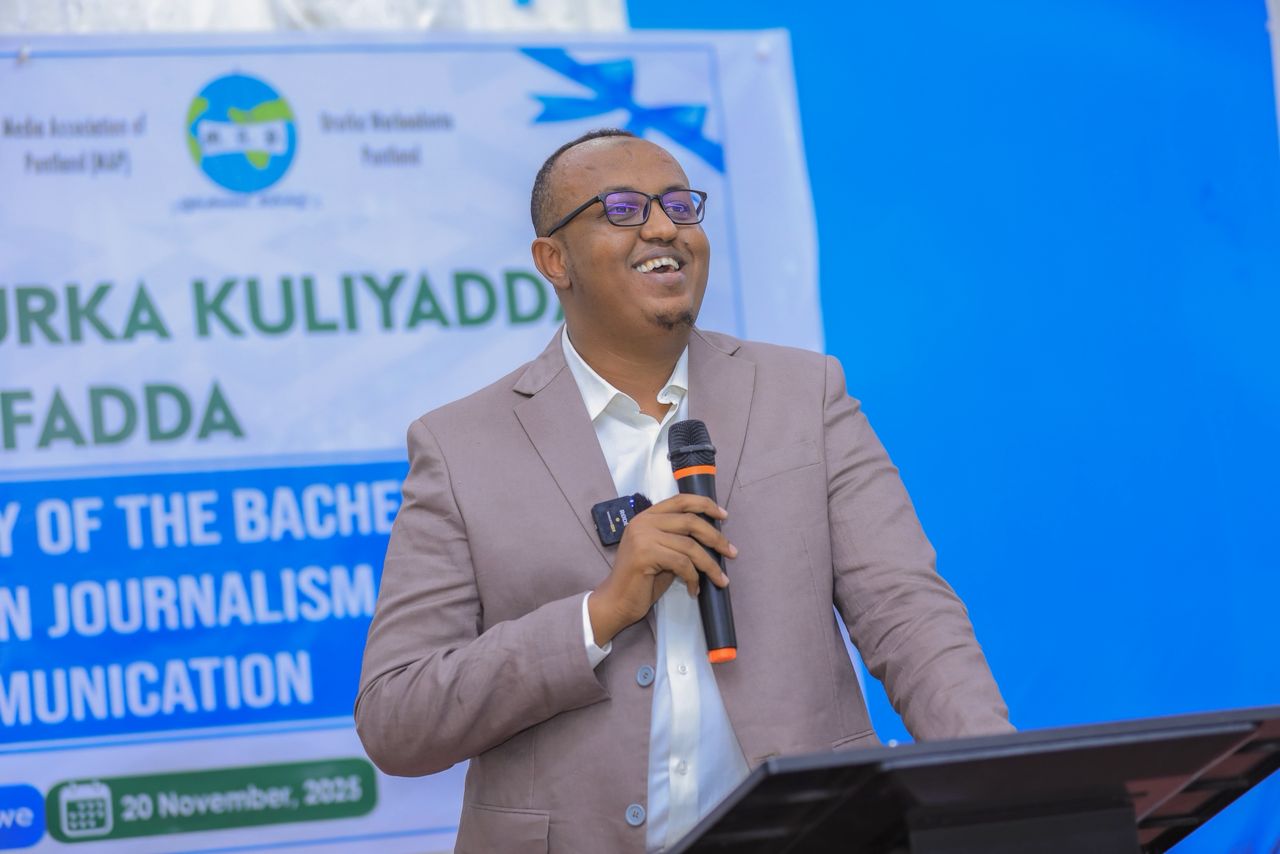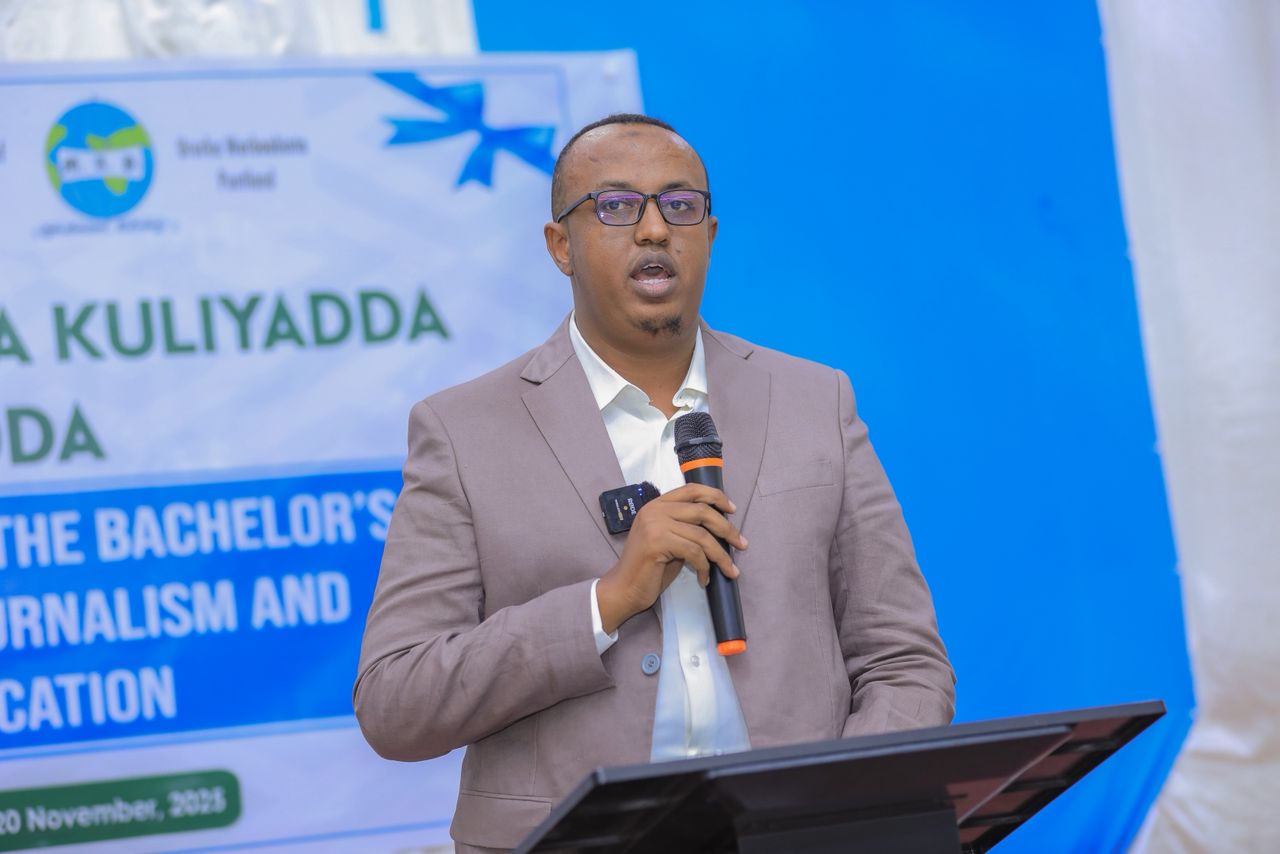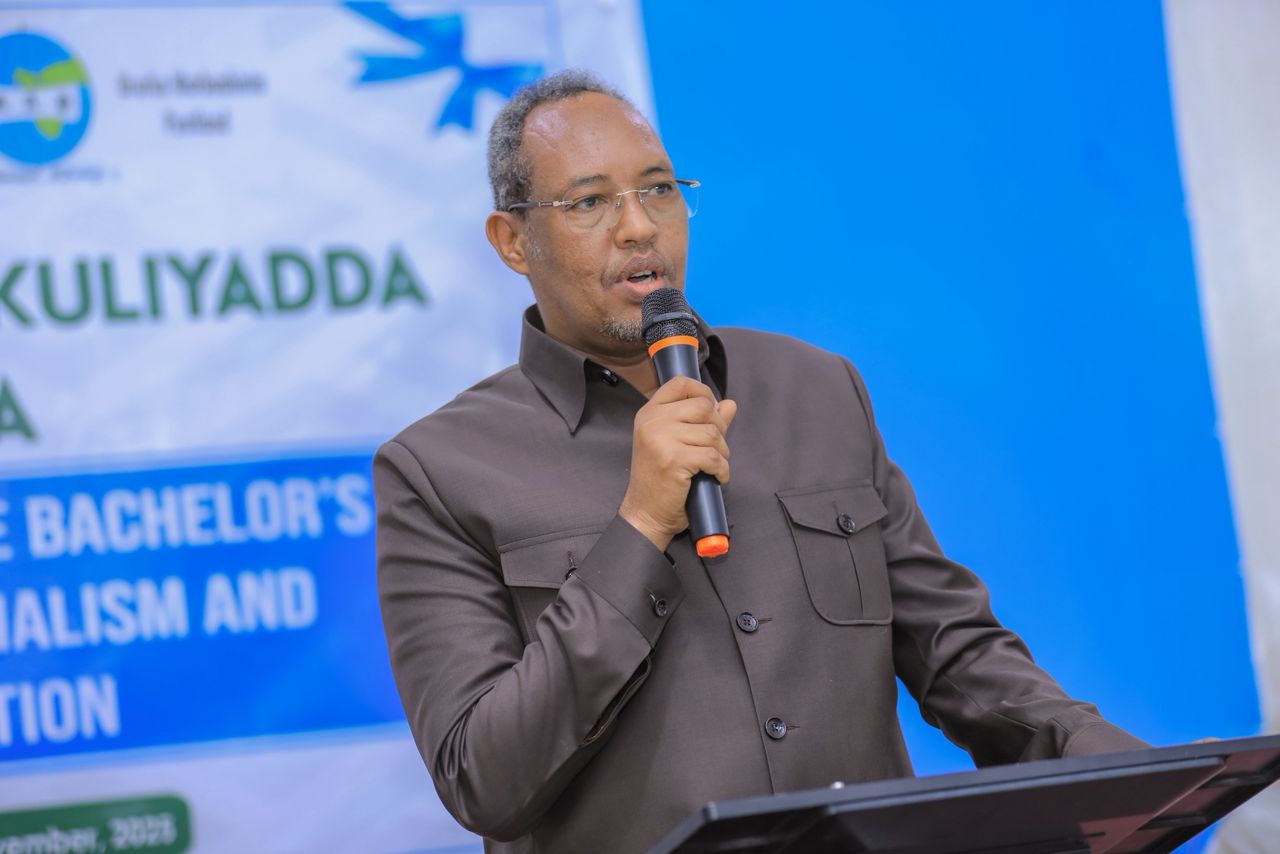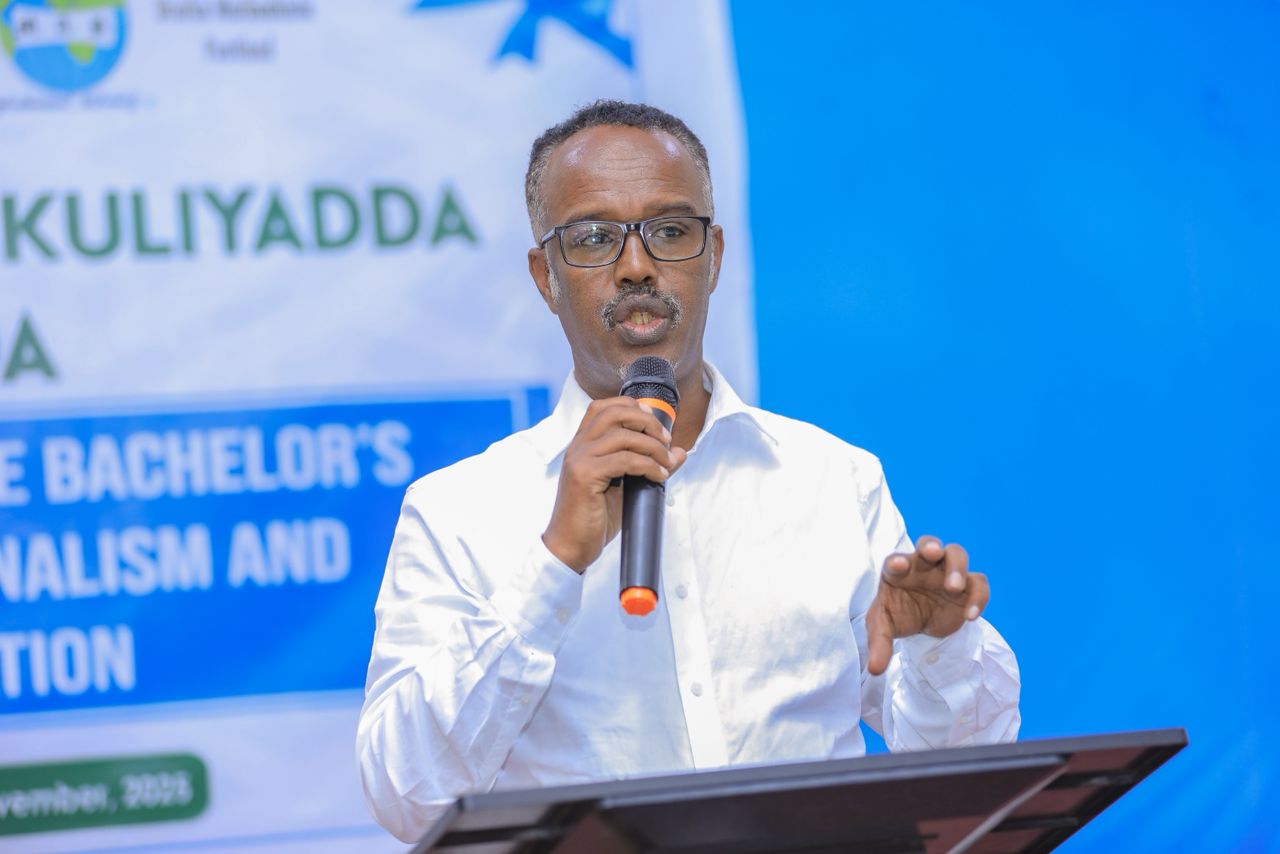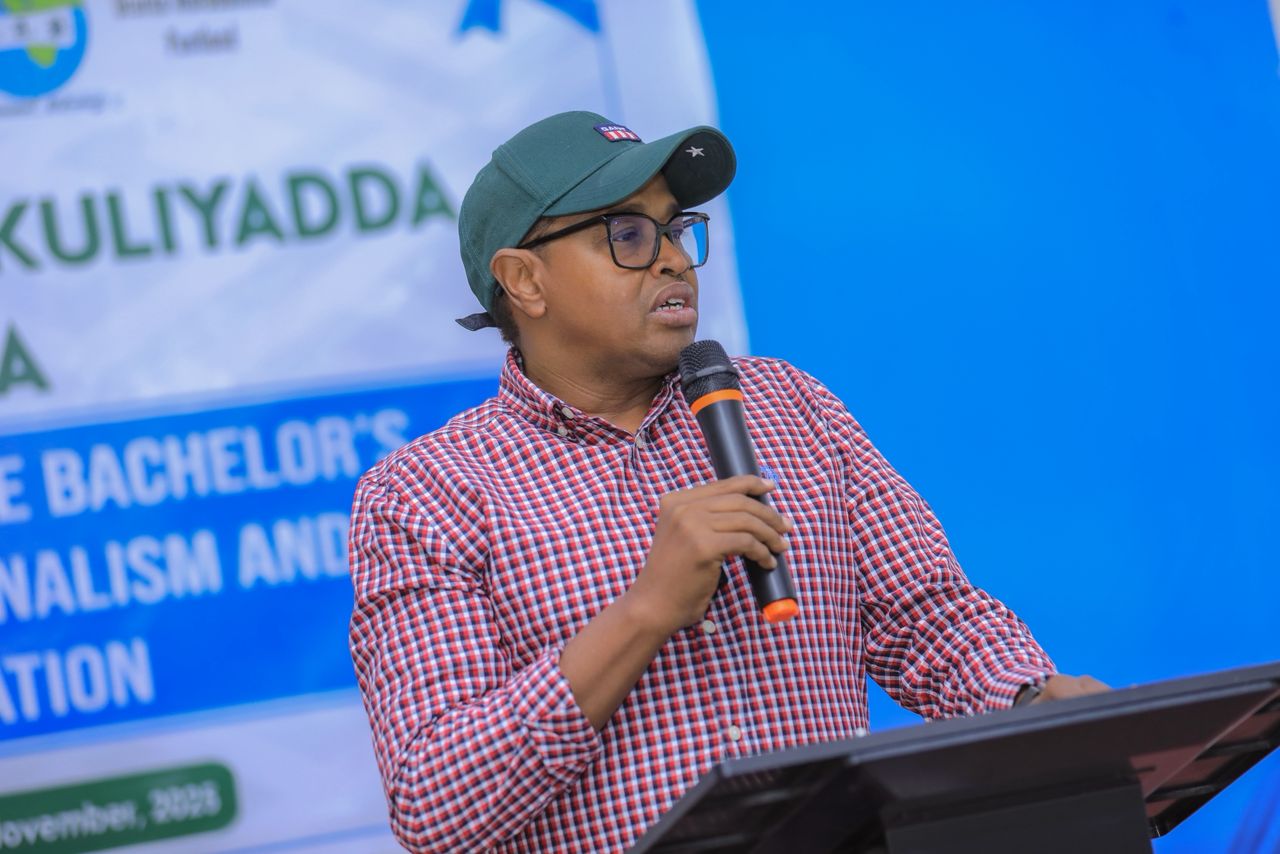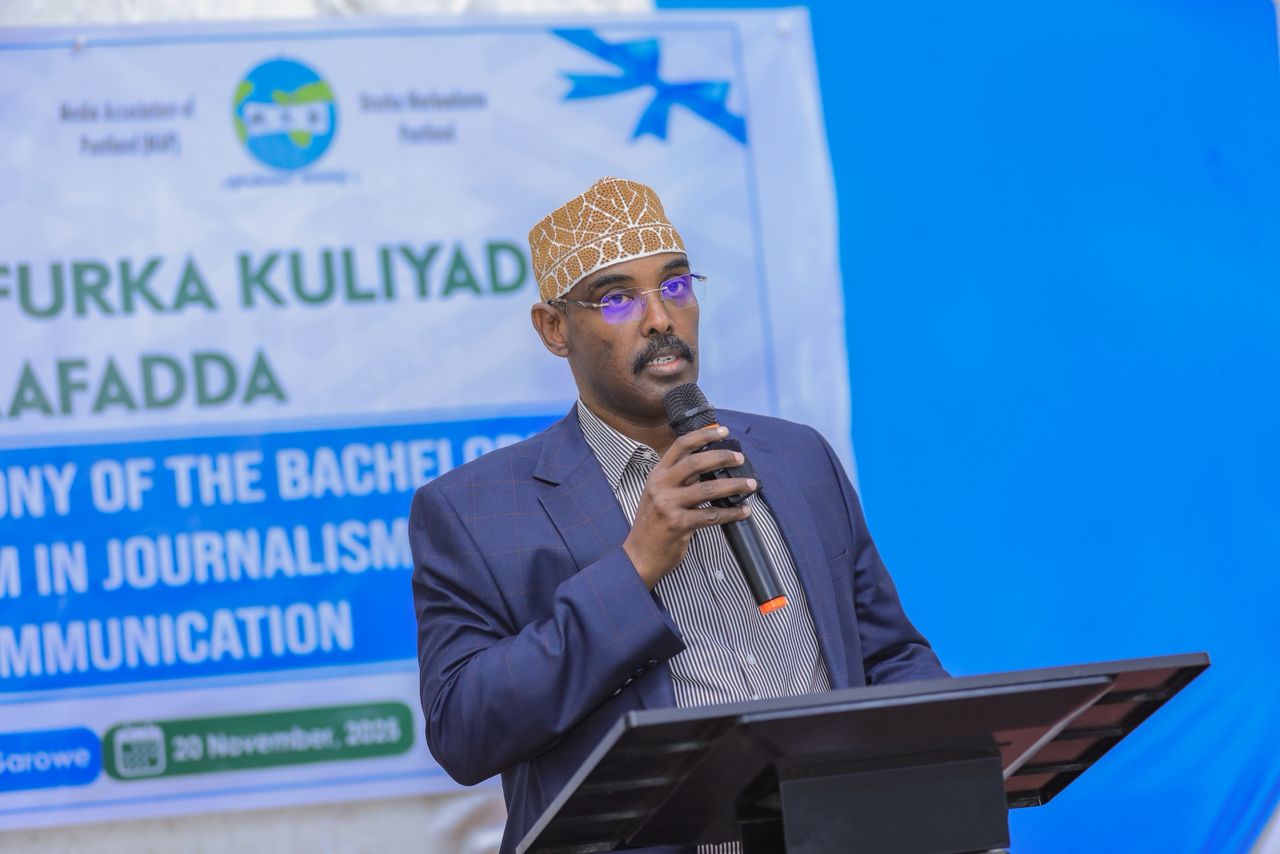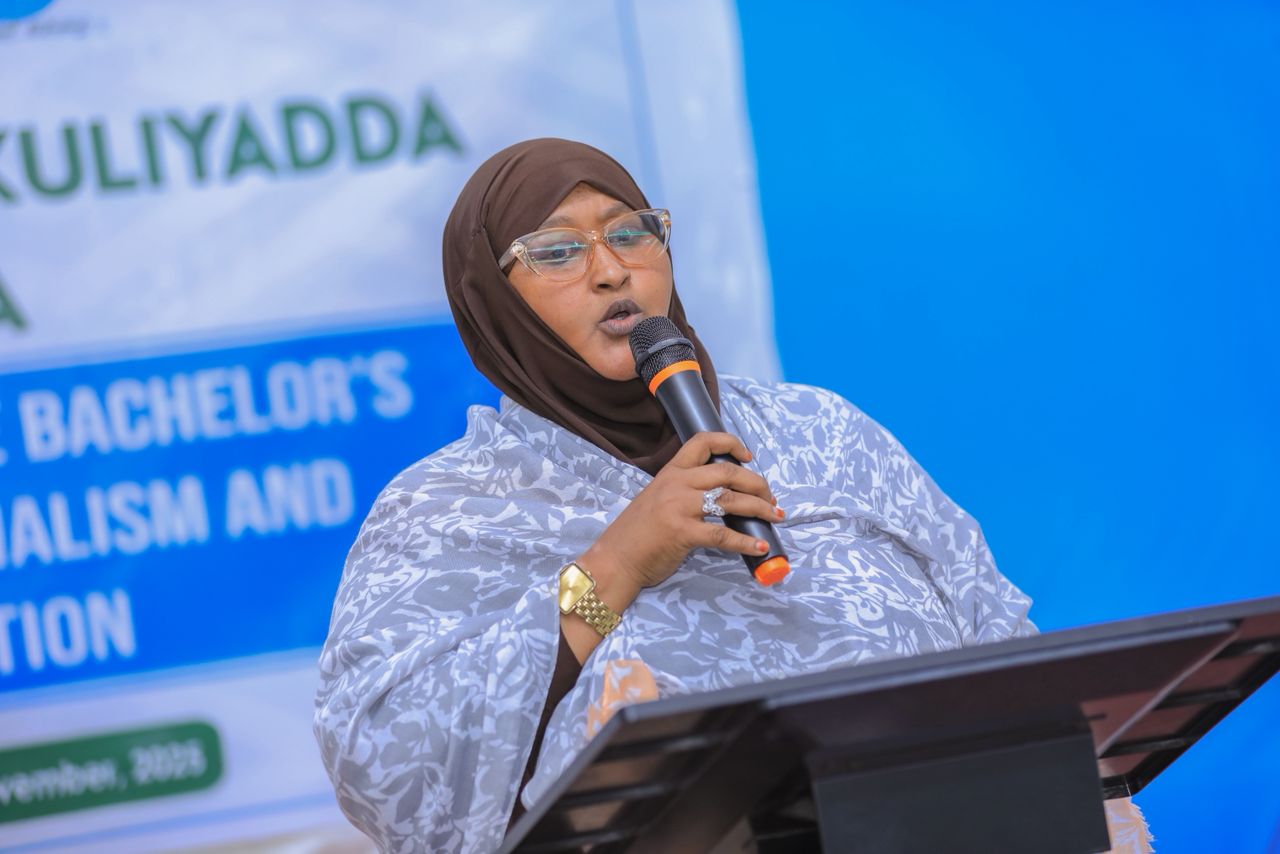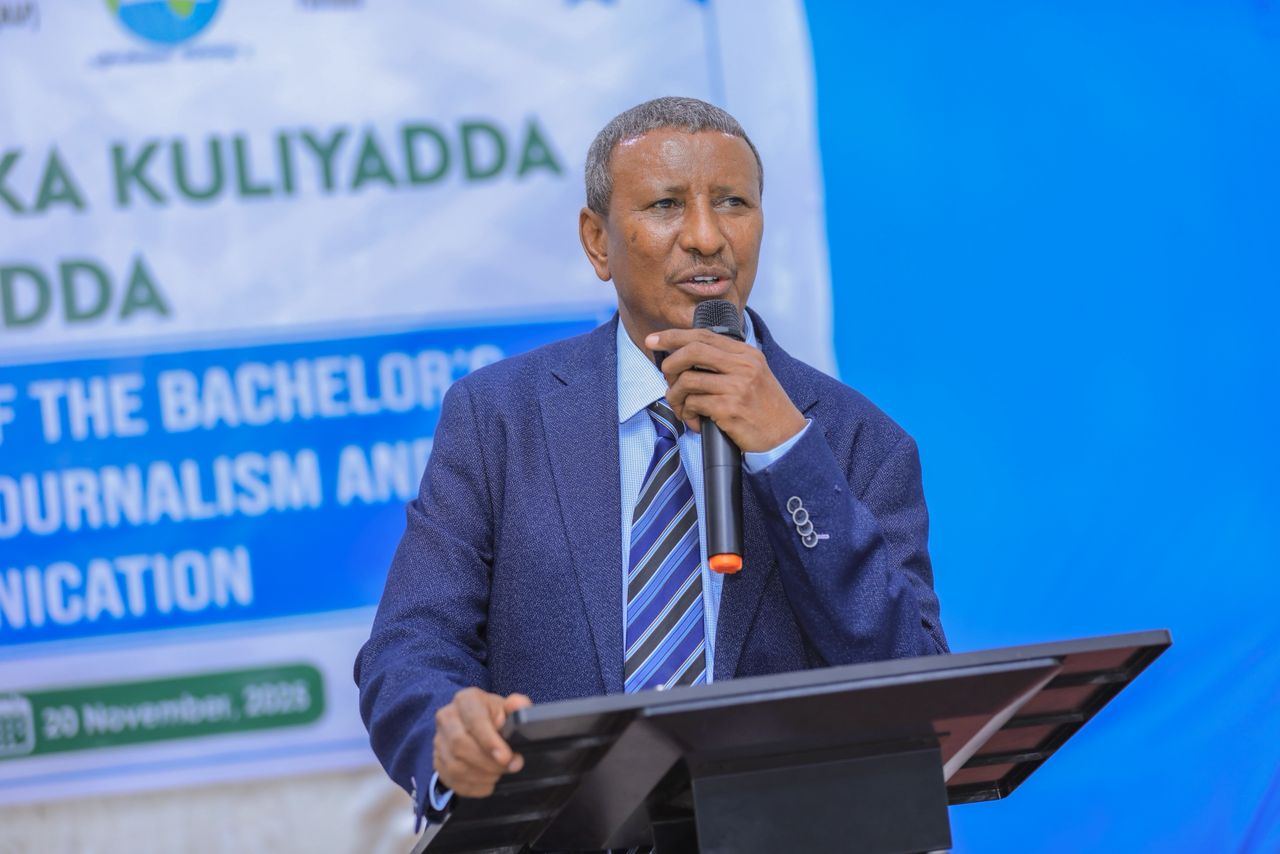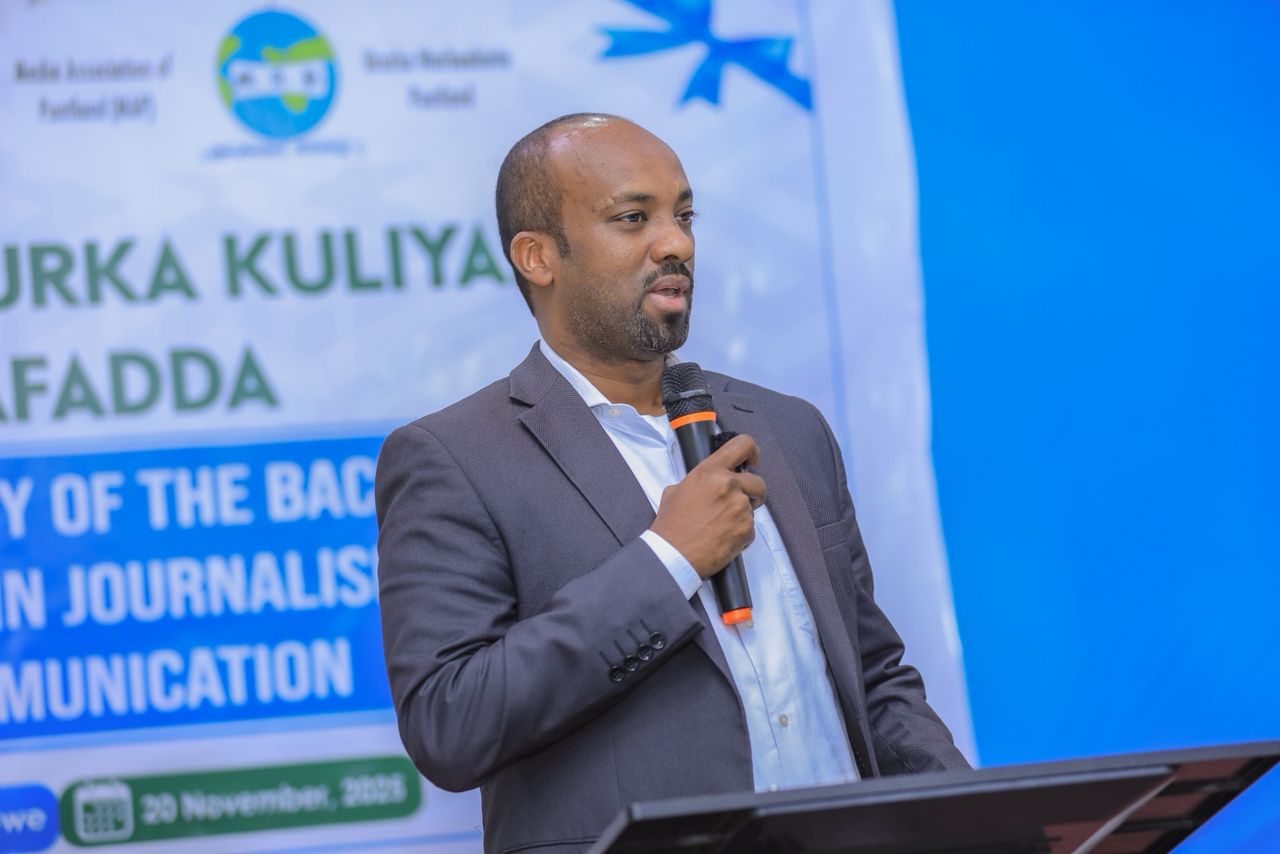
Garowe, Puntland, November 2025; Puntland marked a major milestone as the Media Association of Puntland (MAP), in partnership with Puntland State University (PSU), launched a pioneering Faculty of Journalism and Mass Communication.
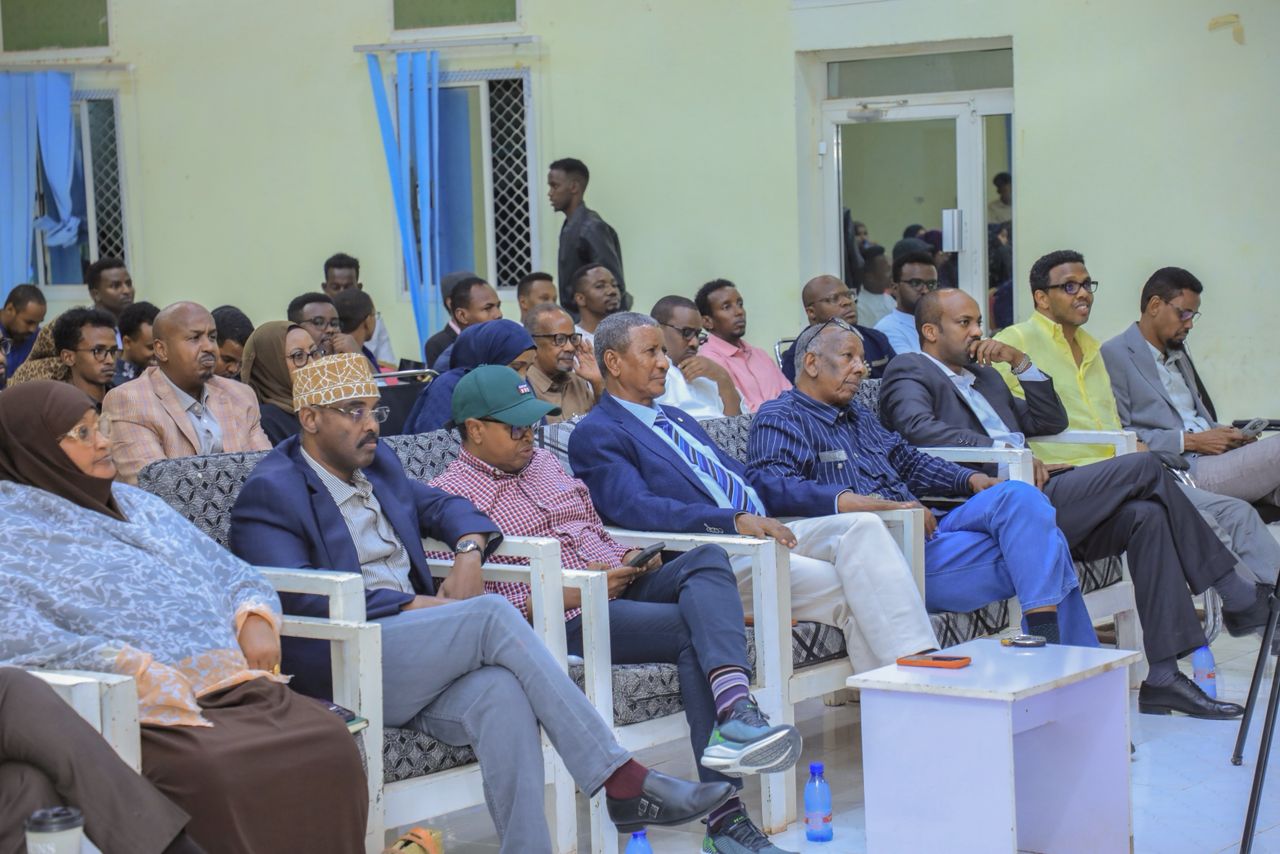
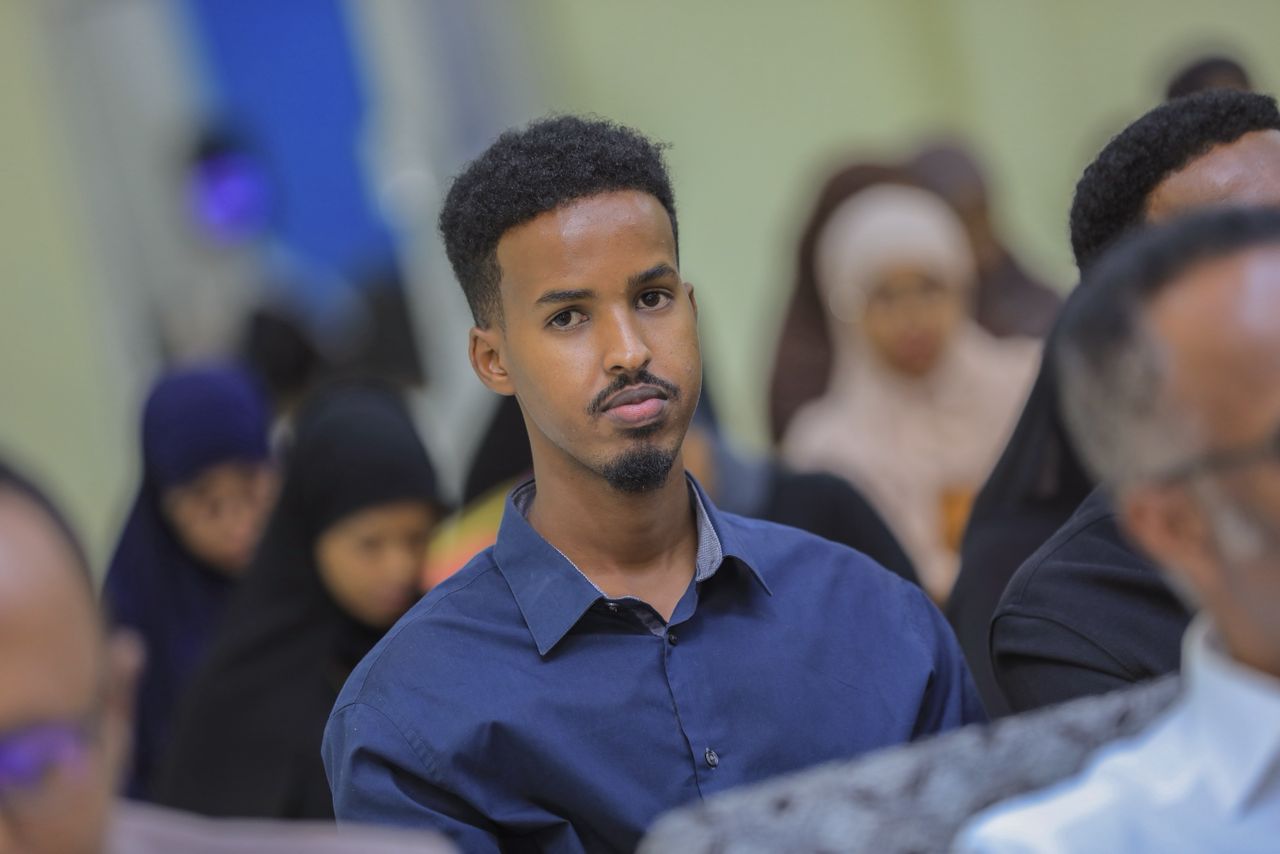
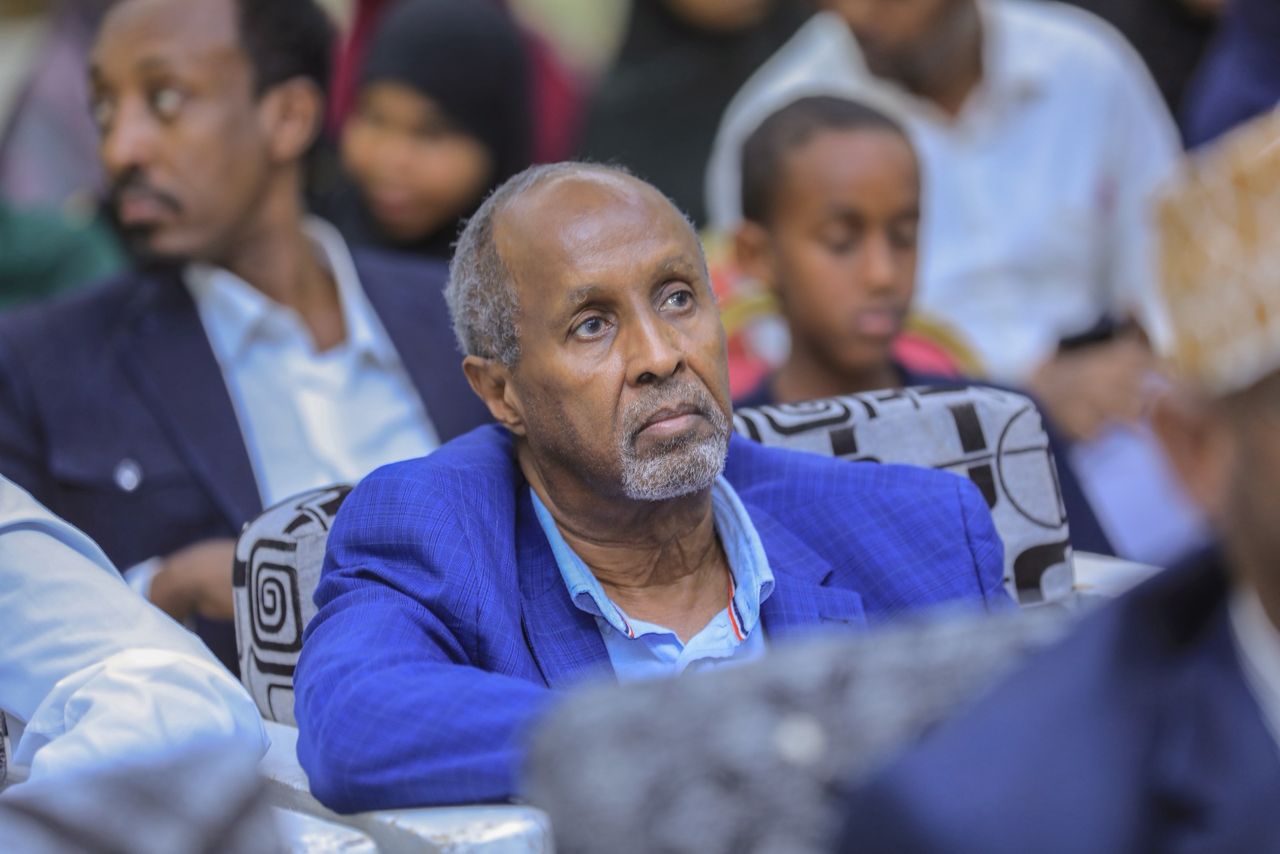
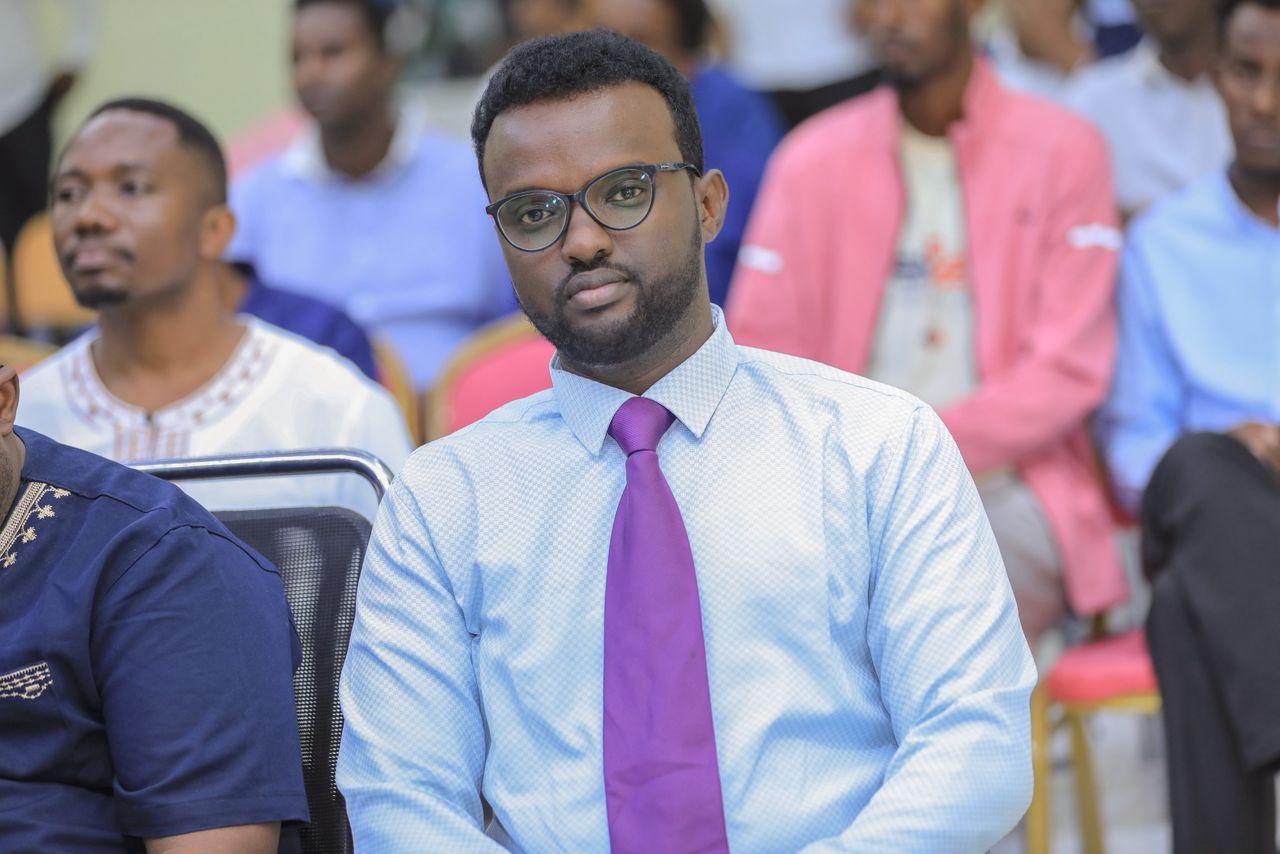
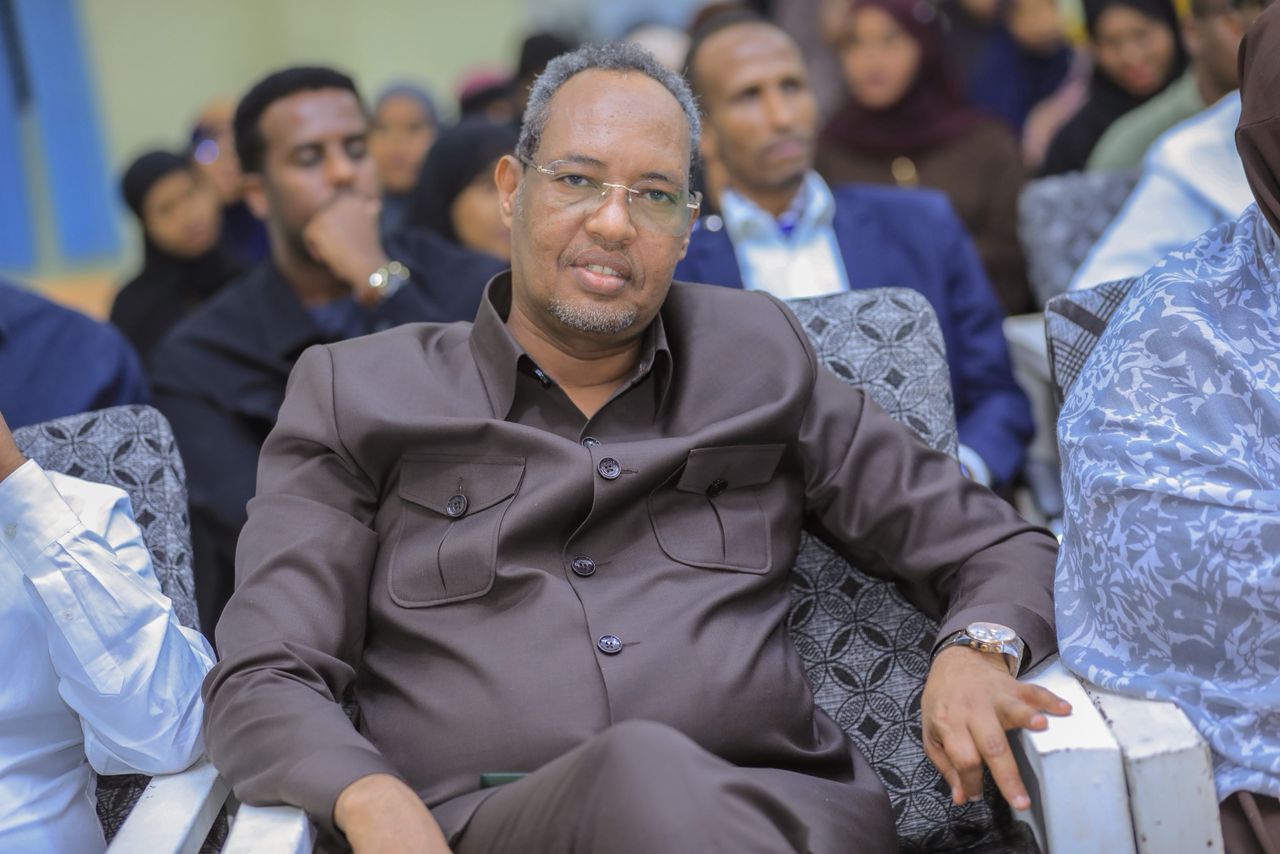
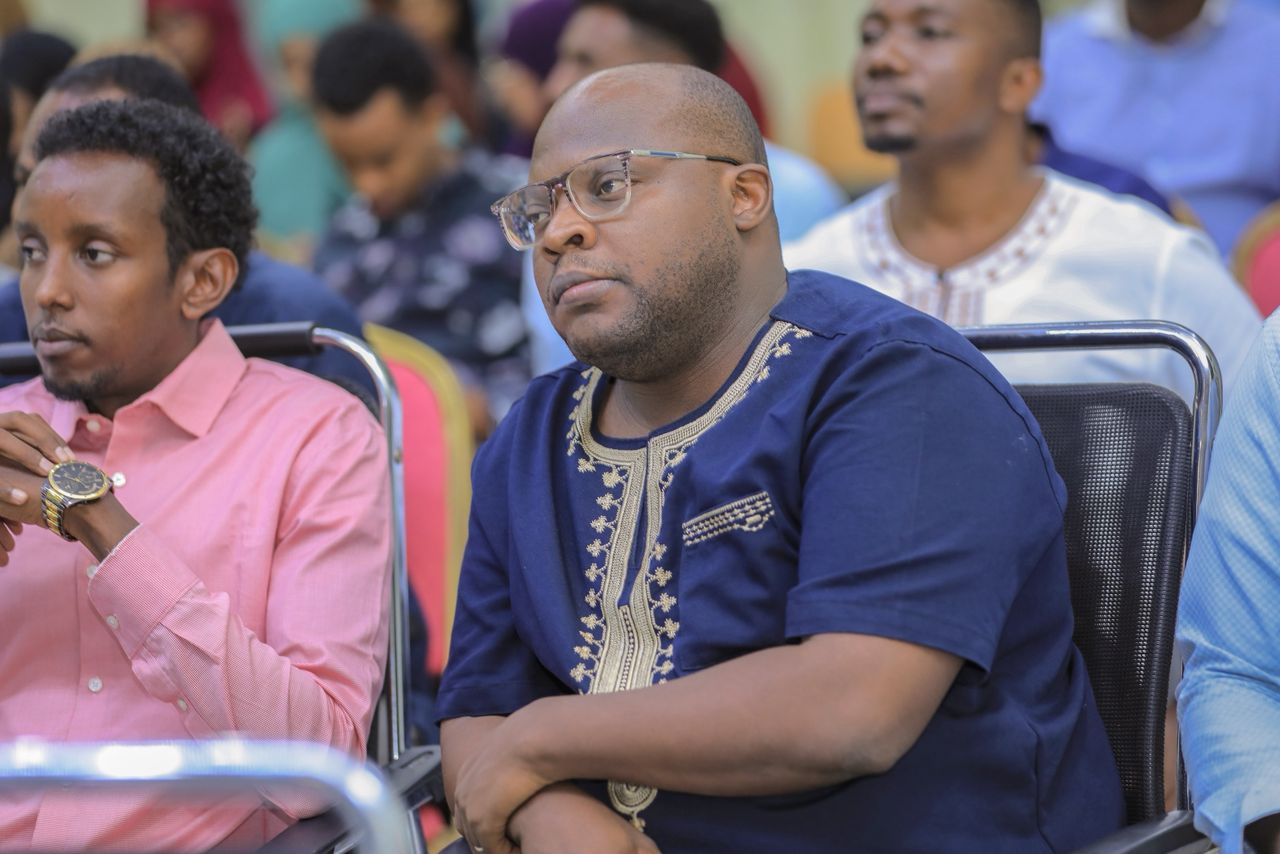
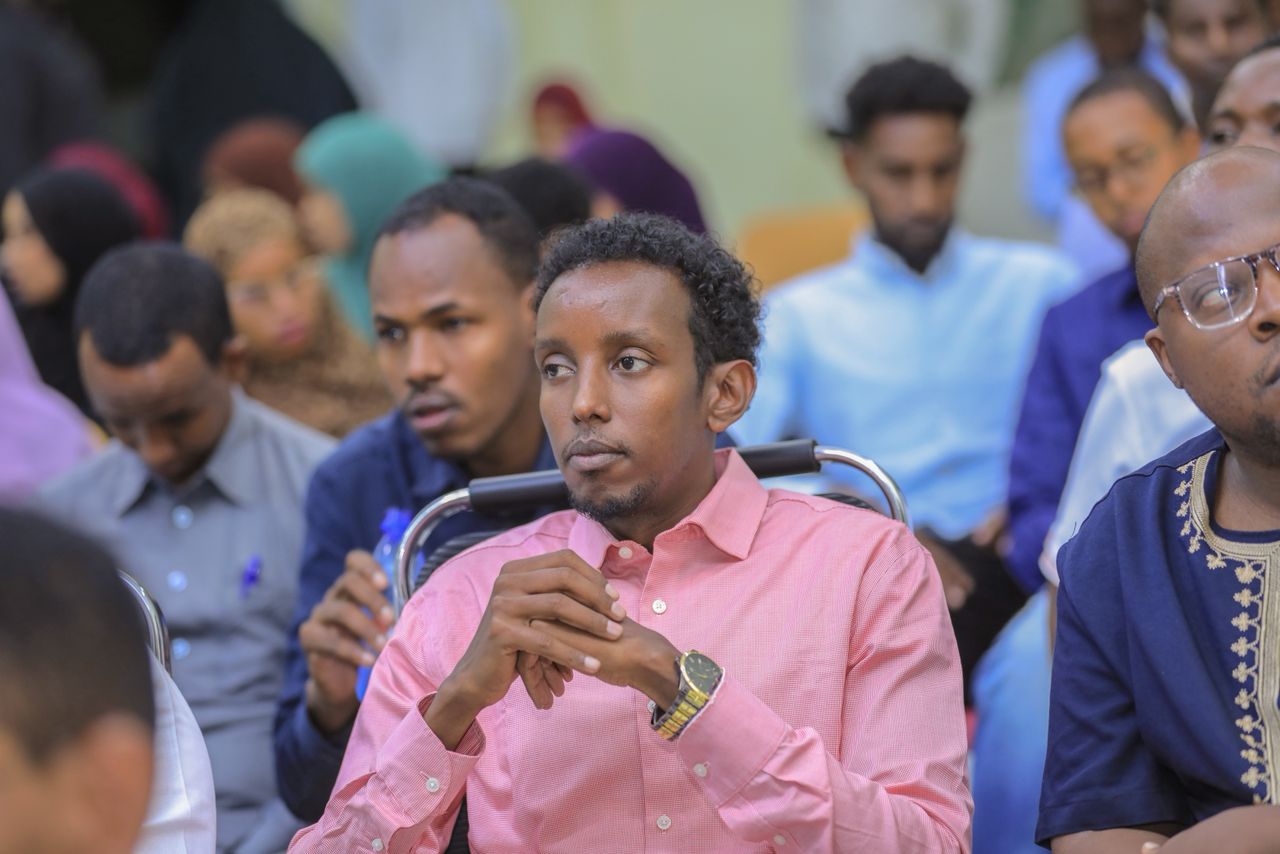
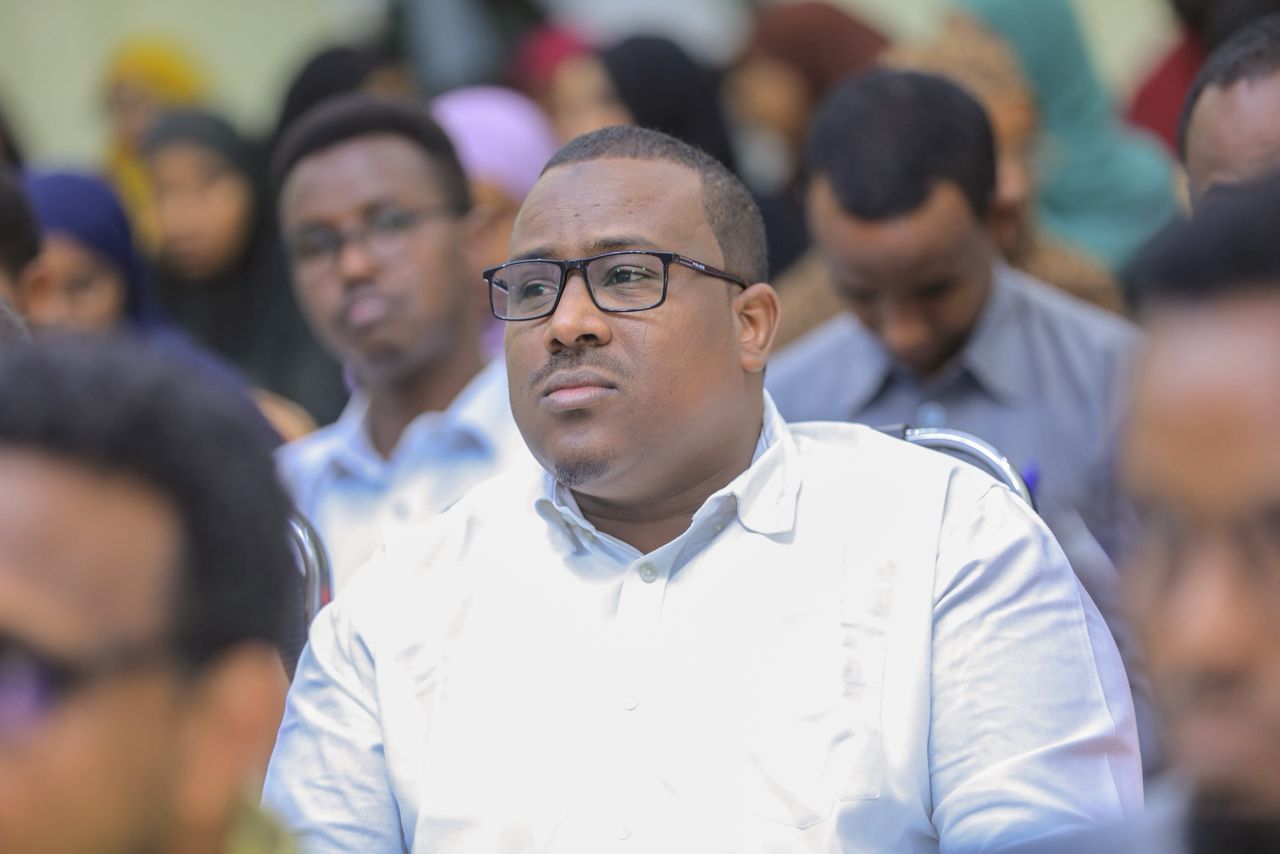
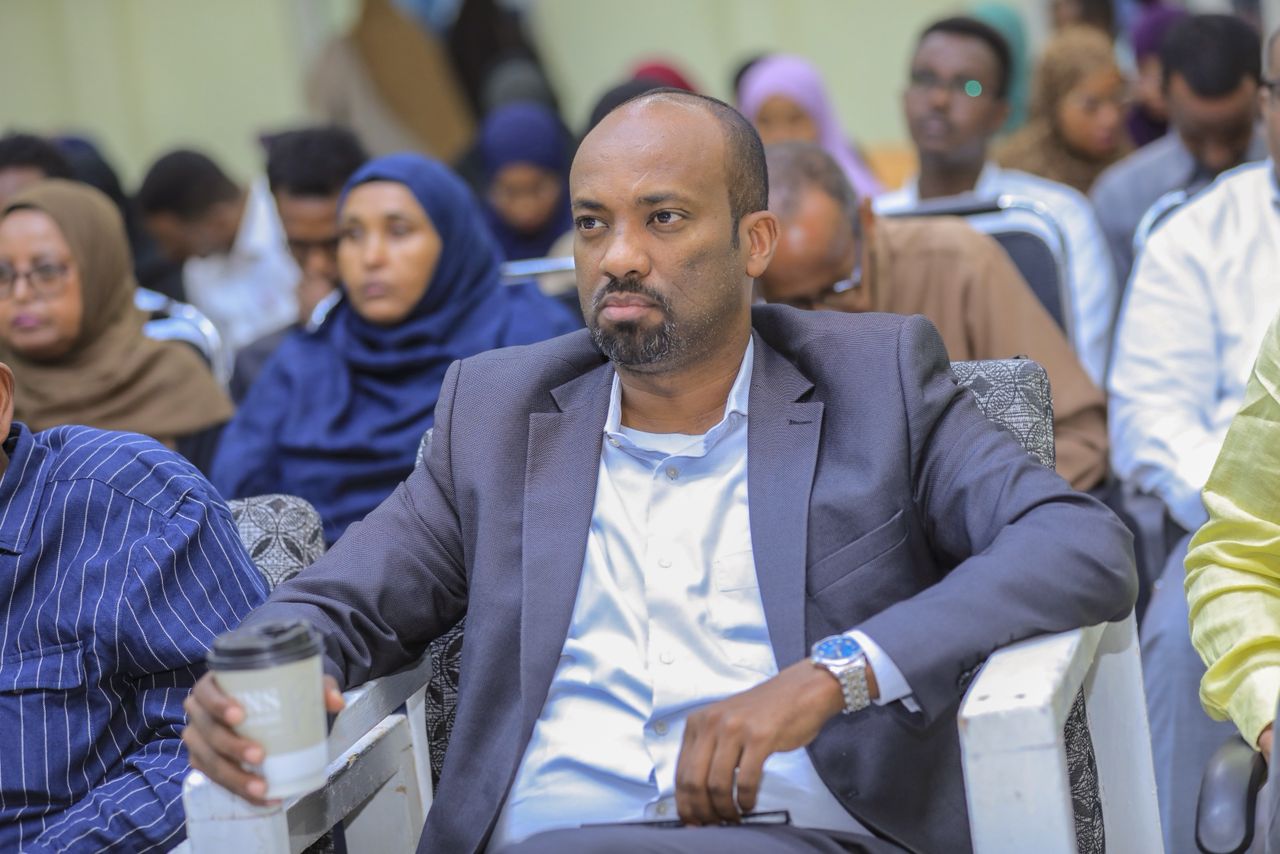
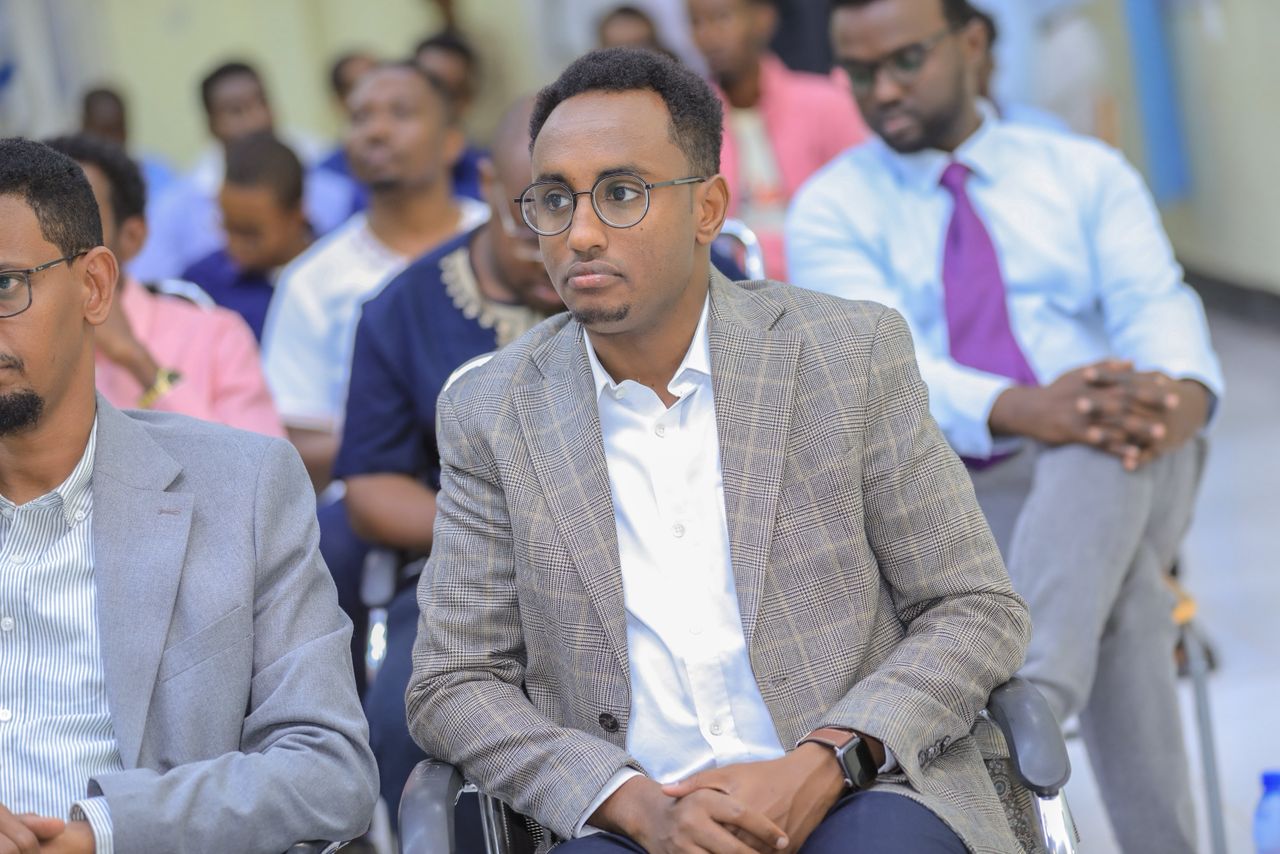
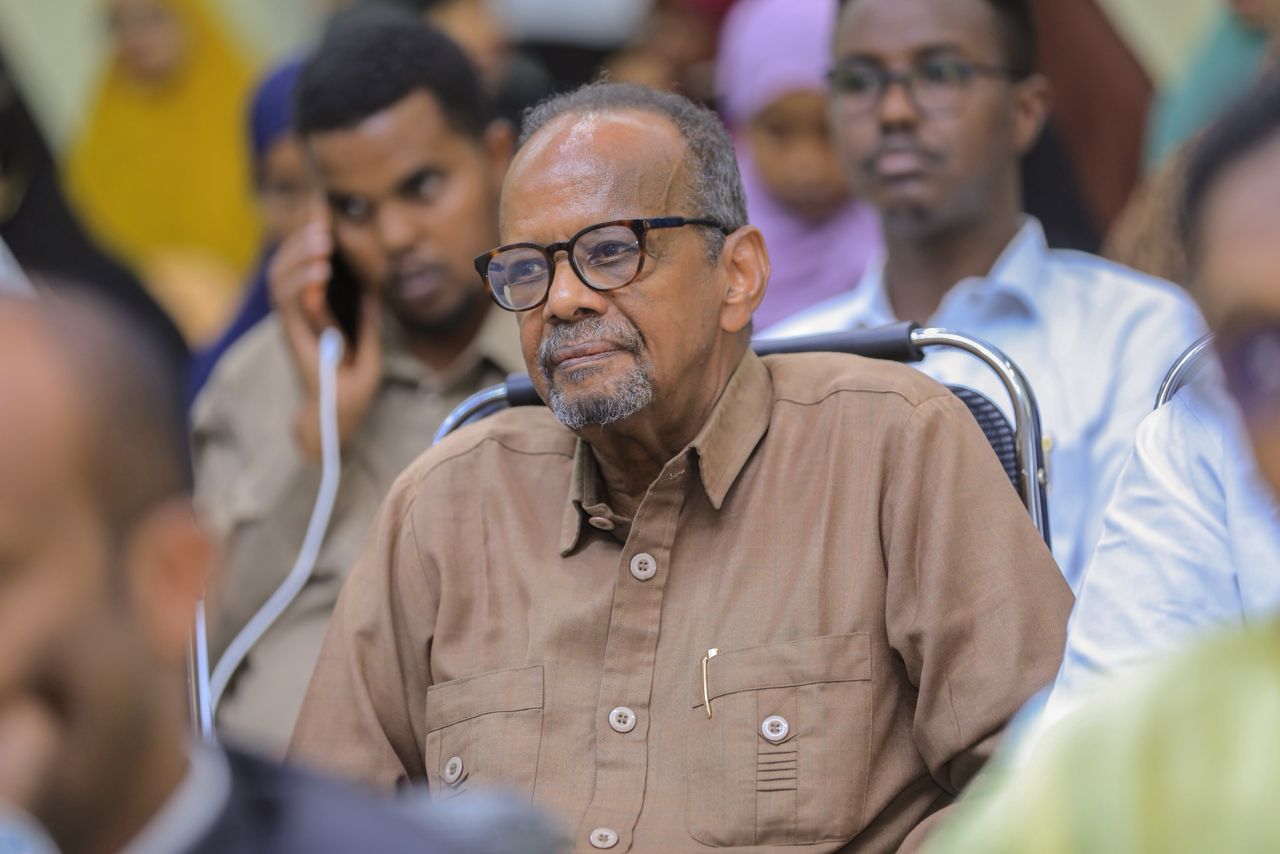
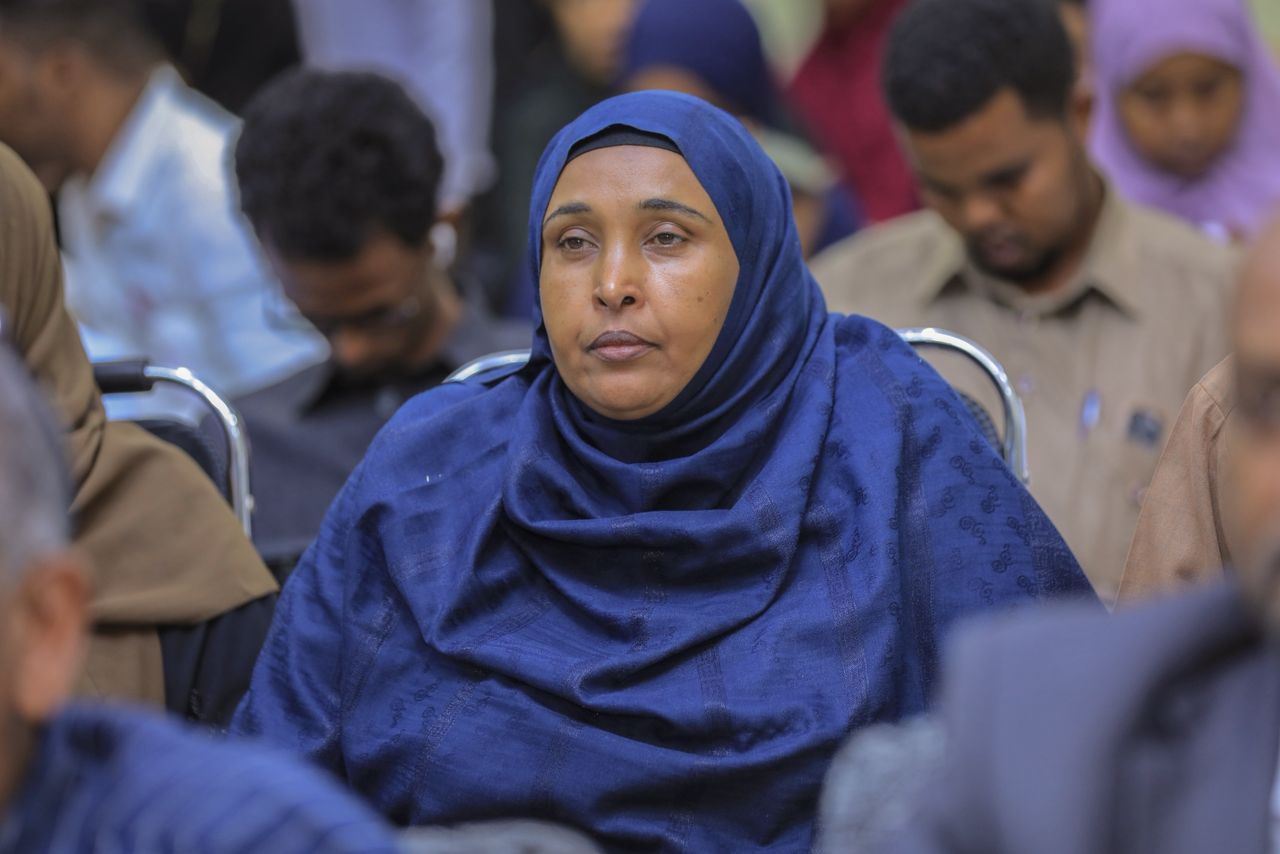
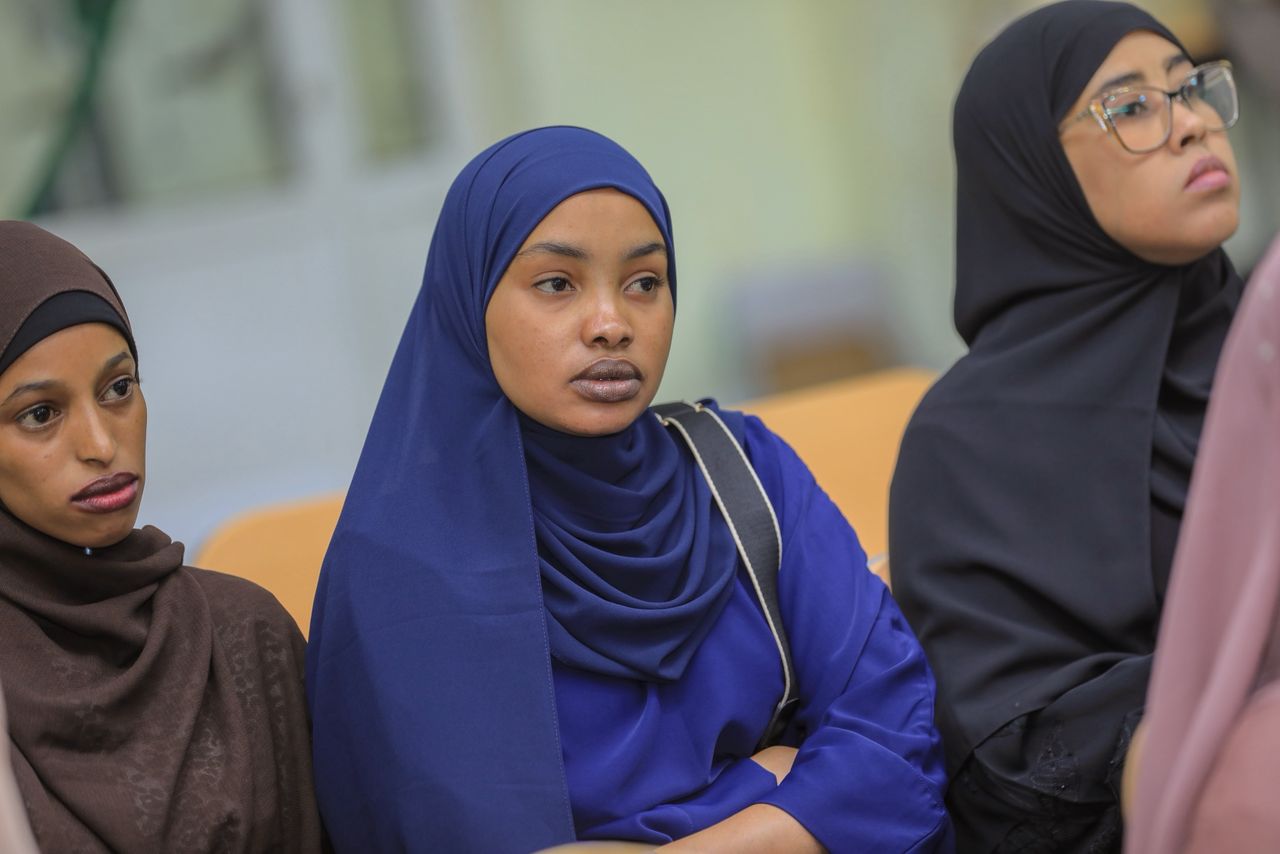
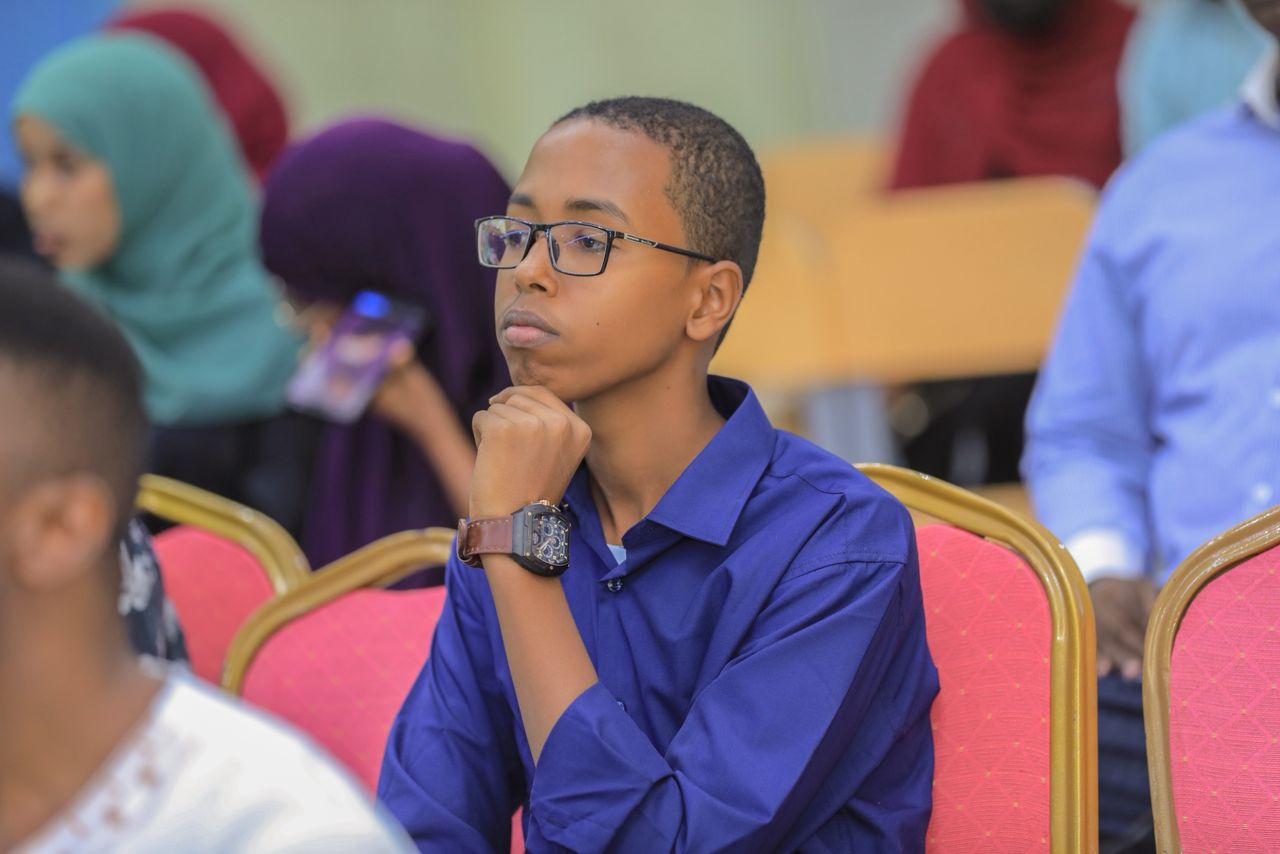
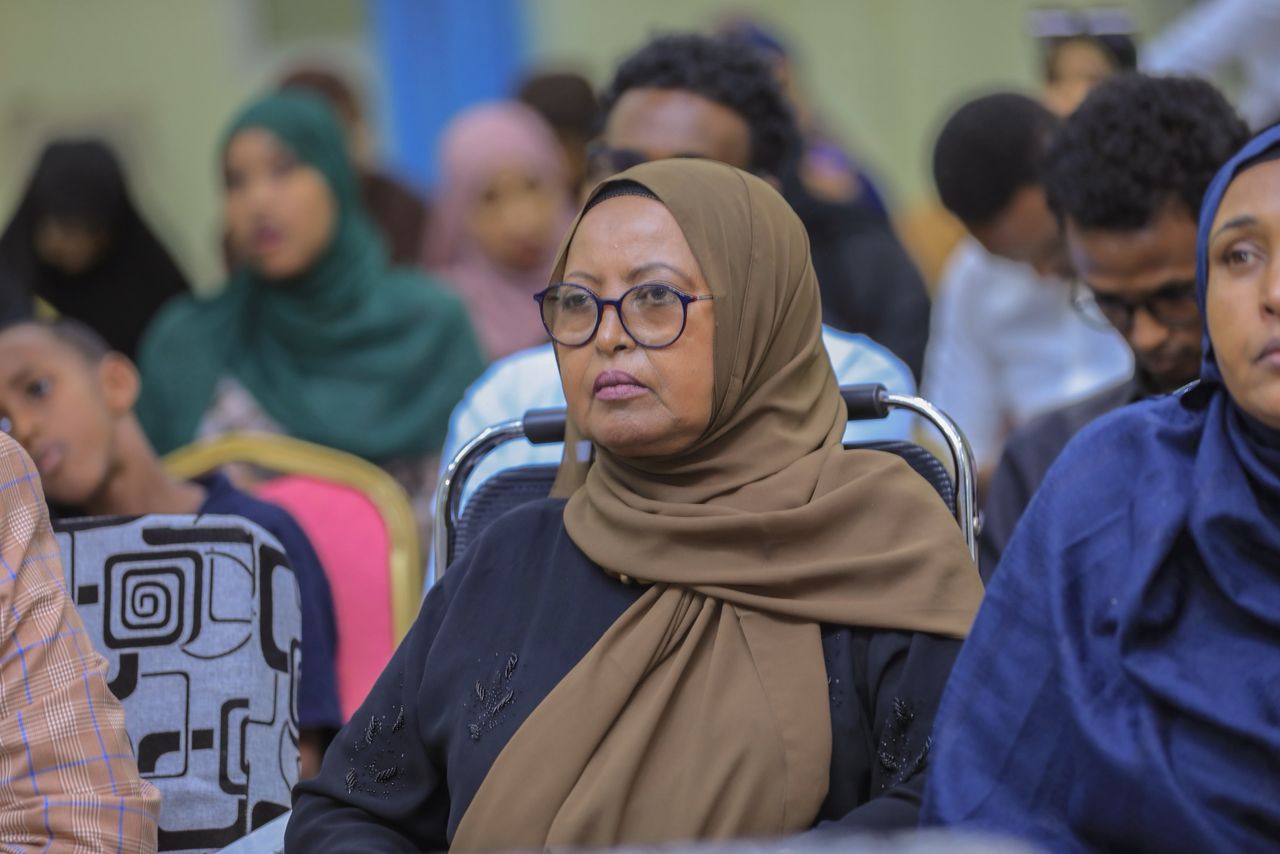
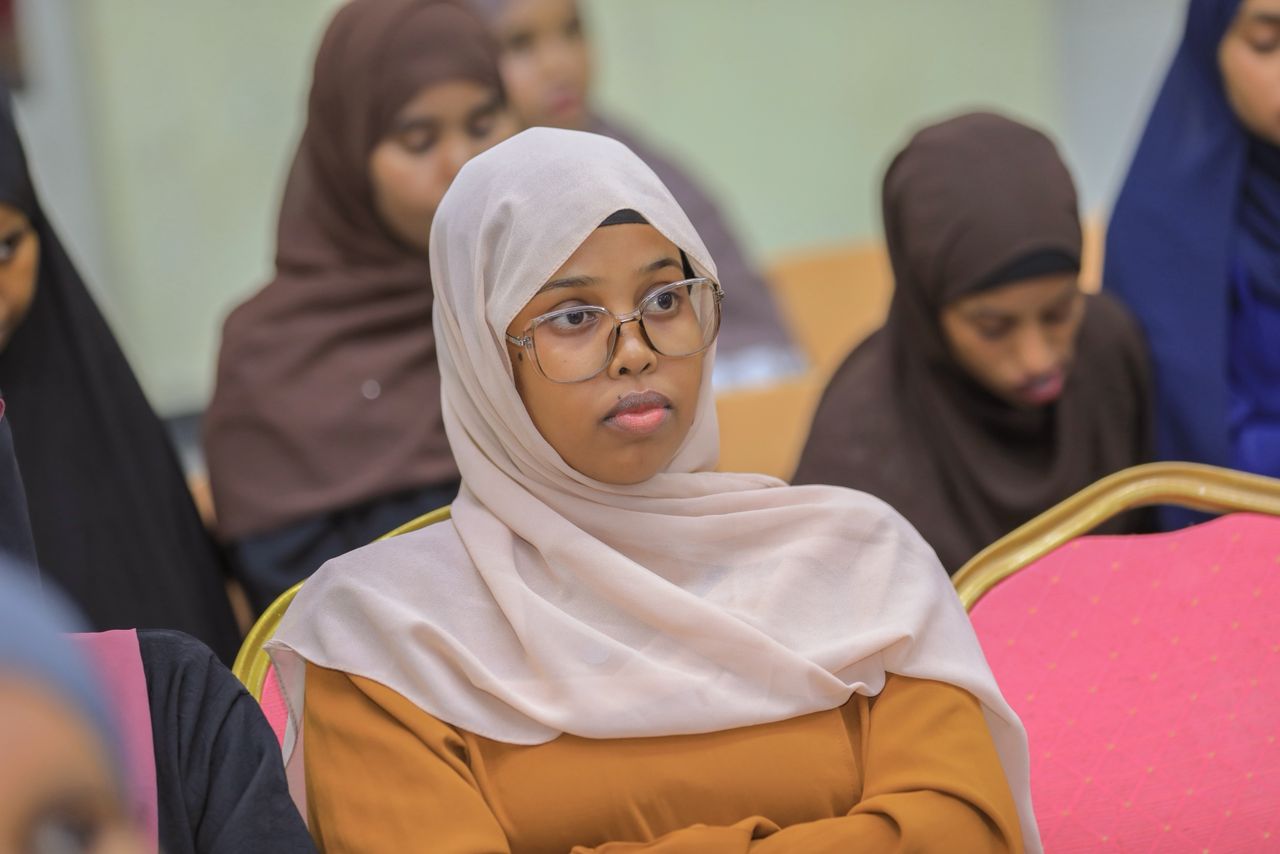
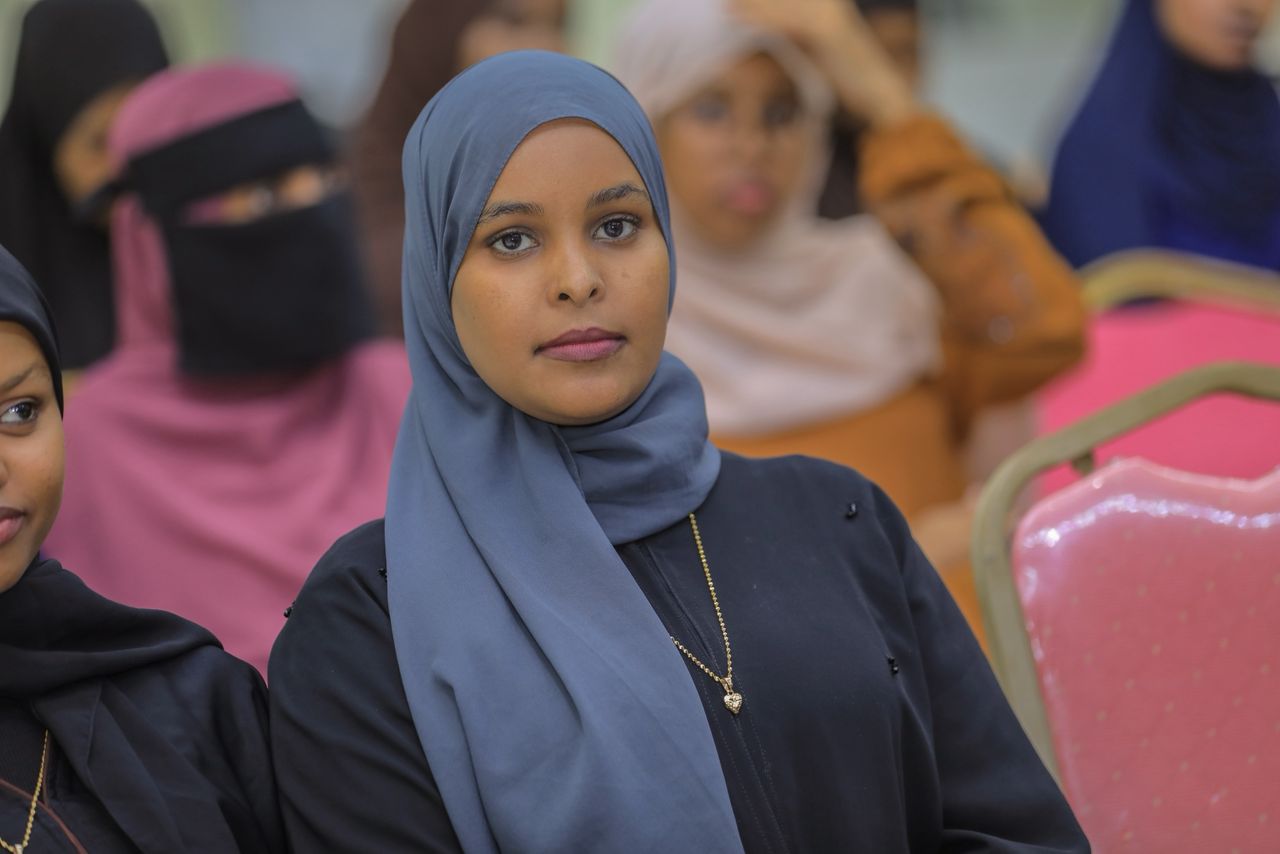
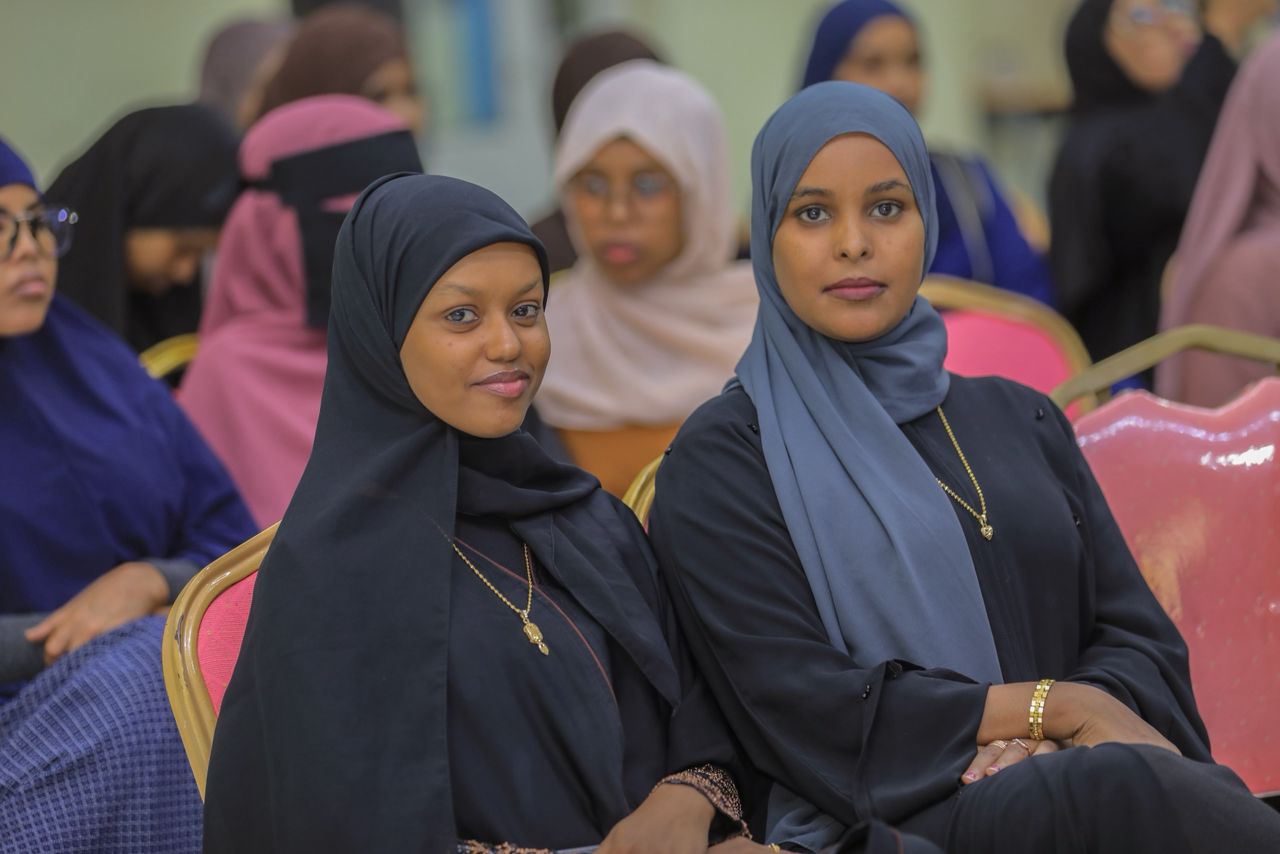
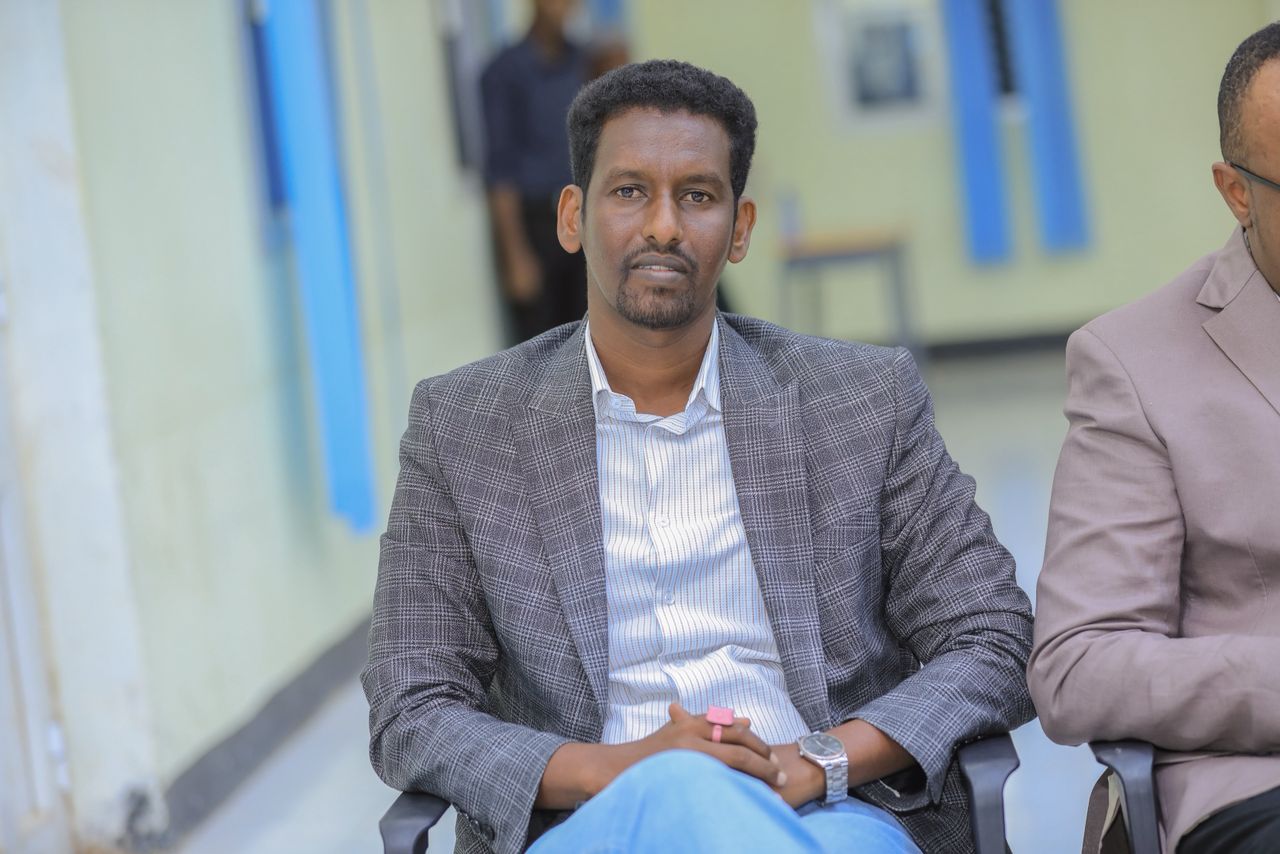
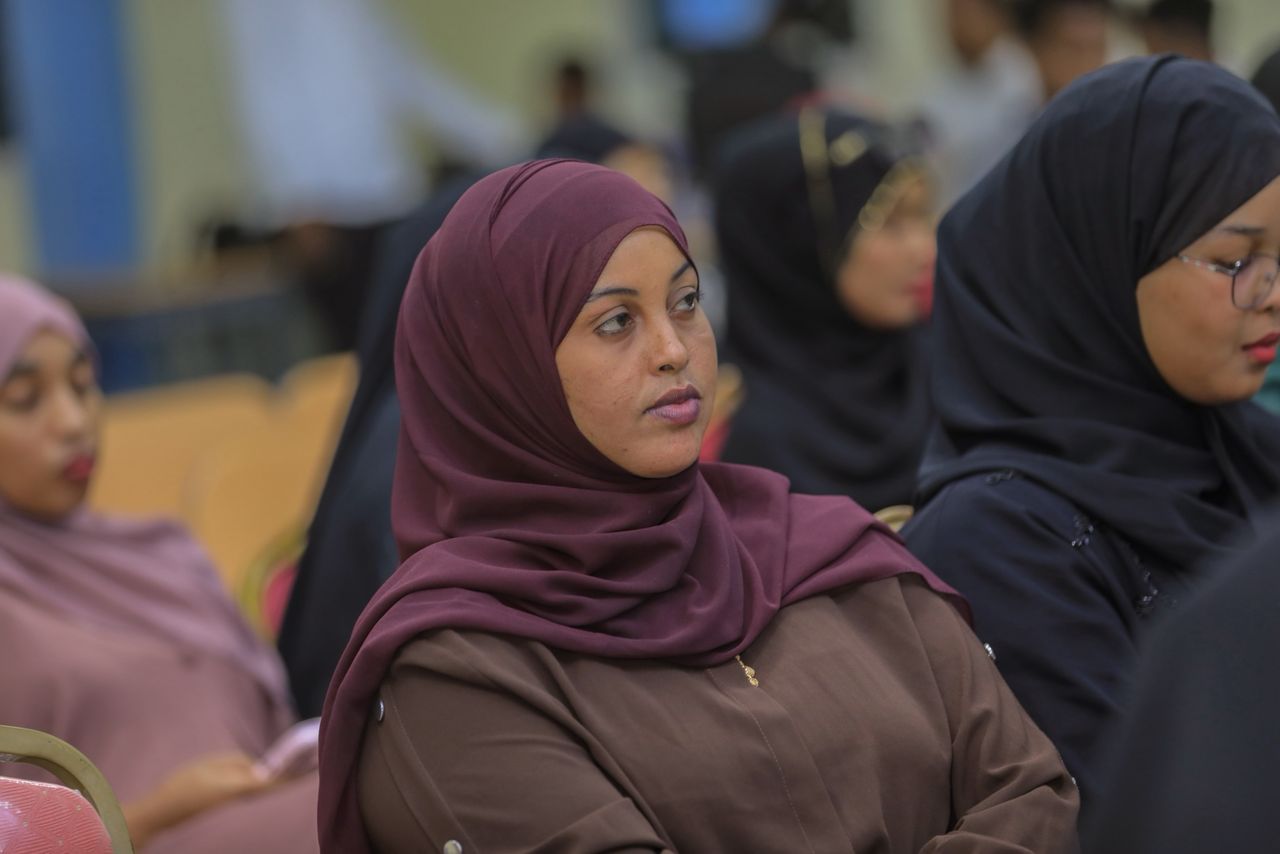
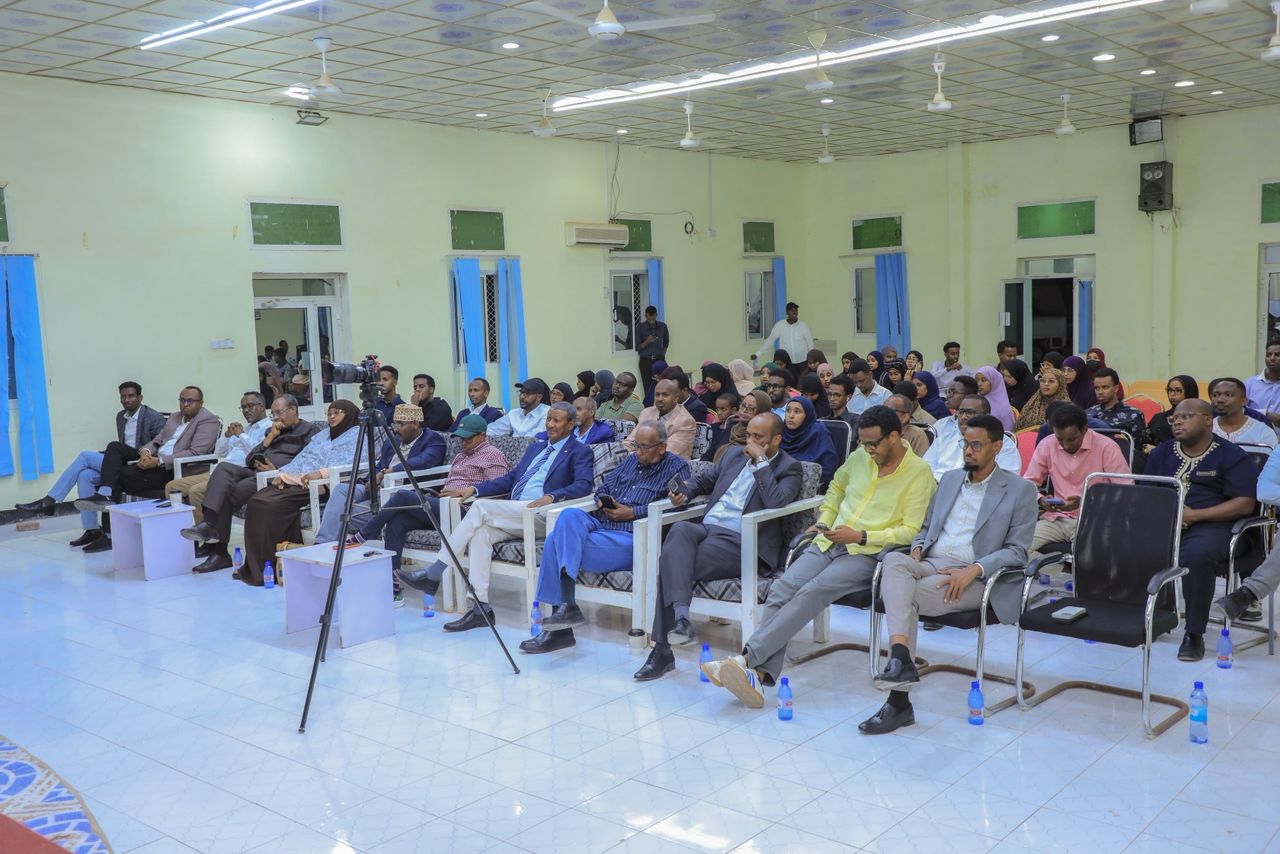
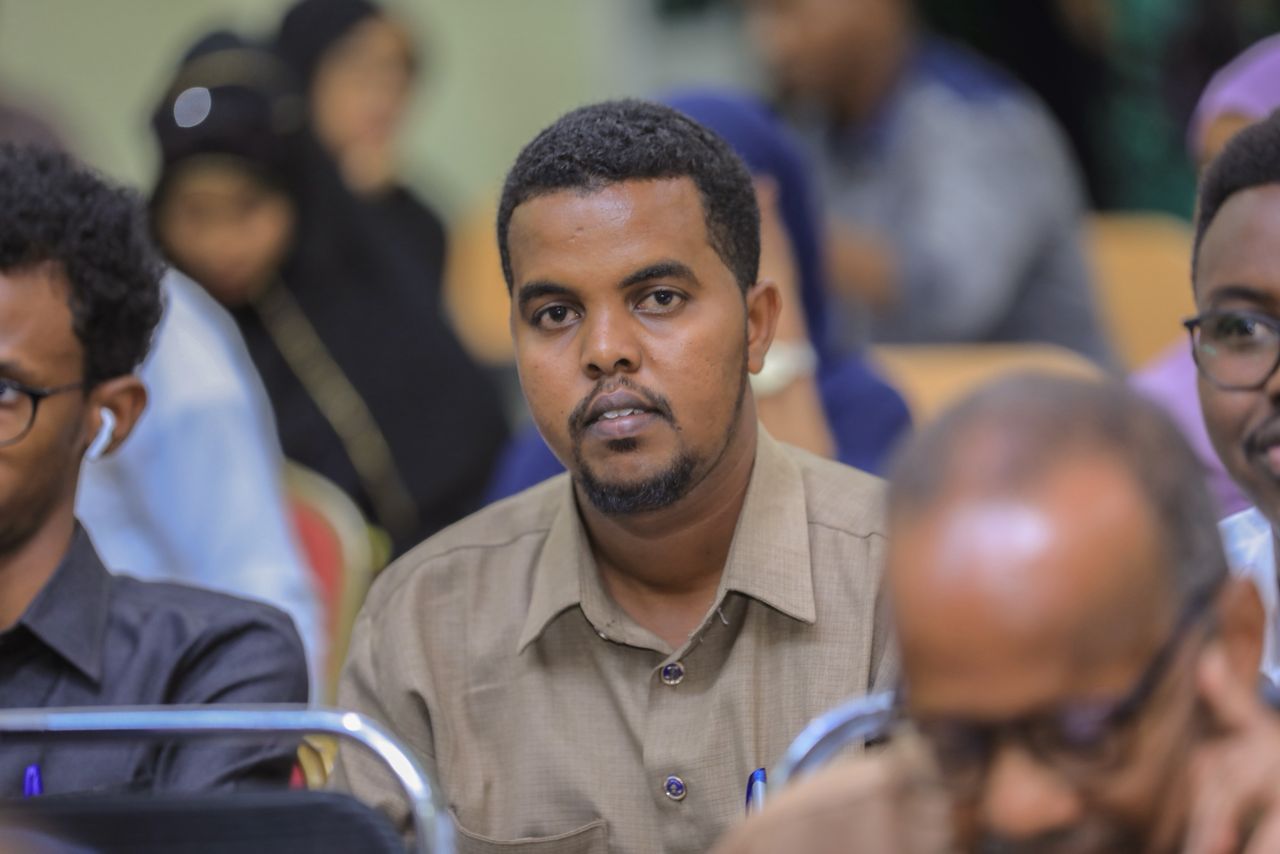
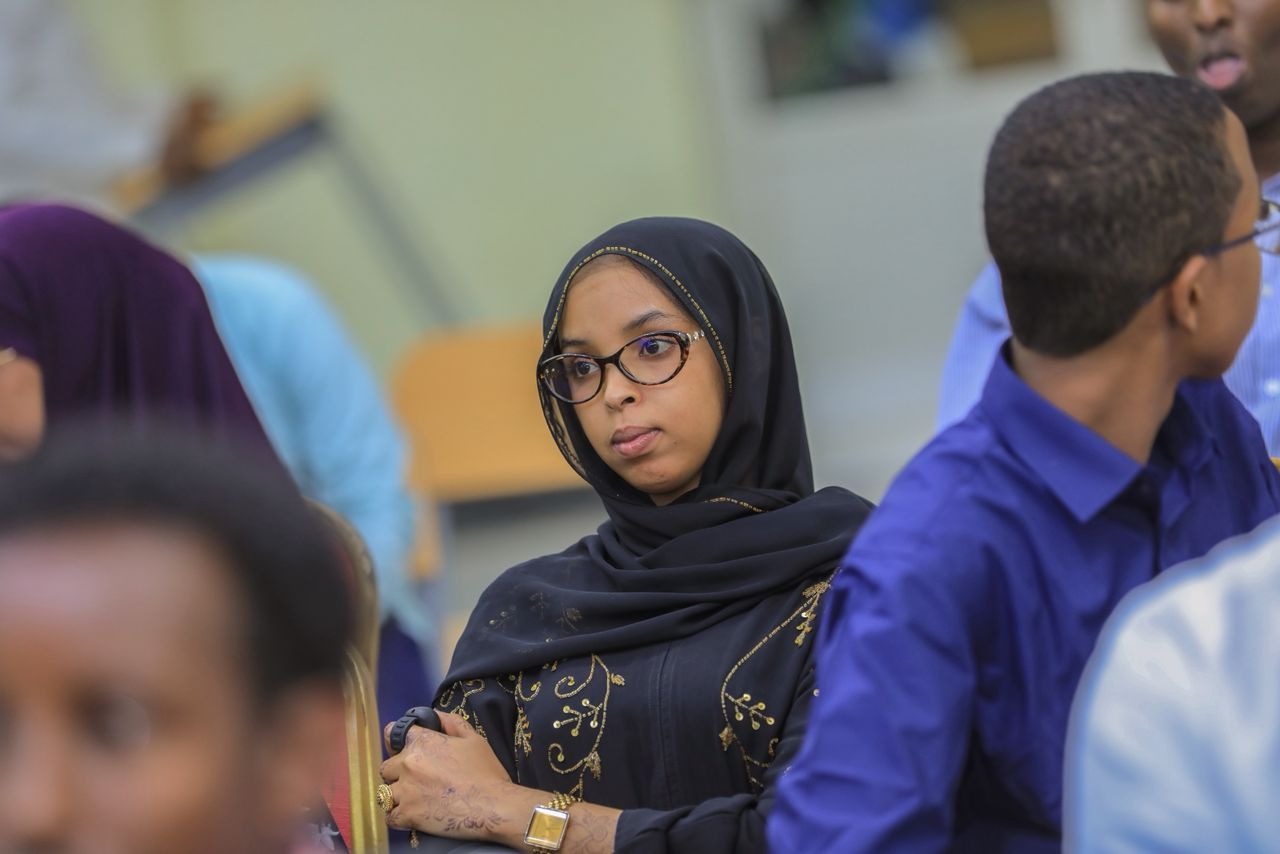
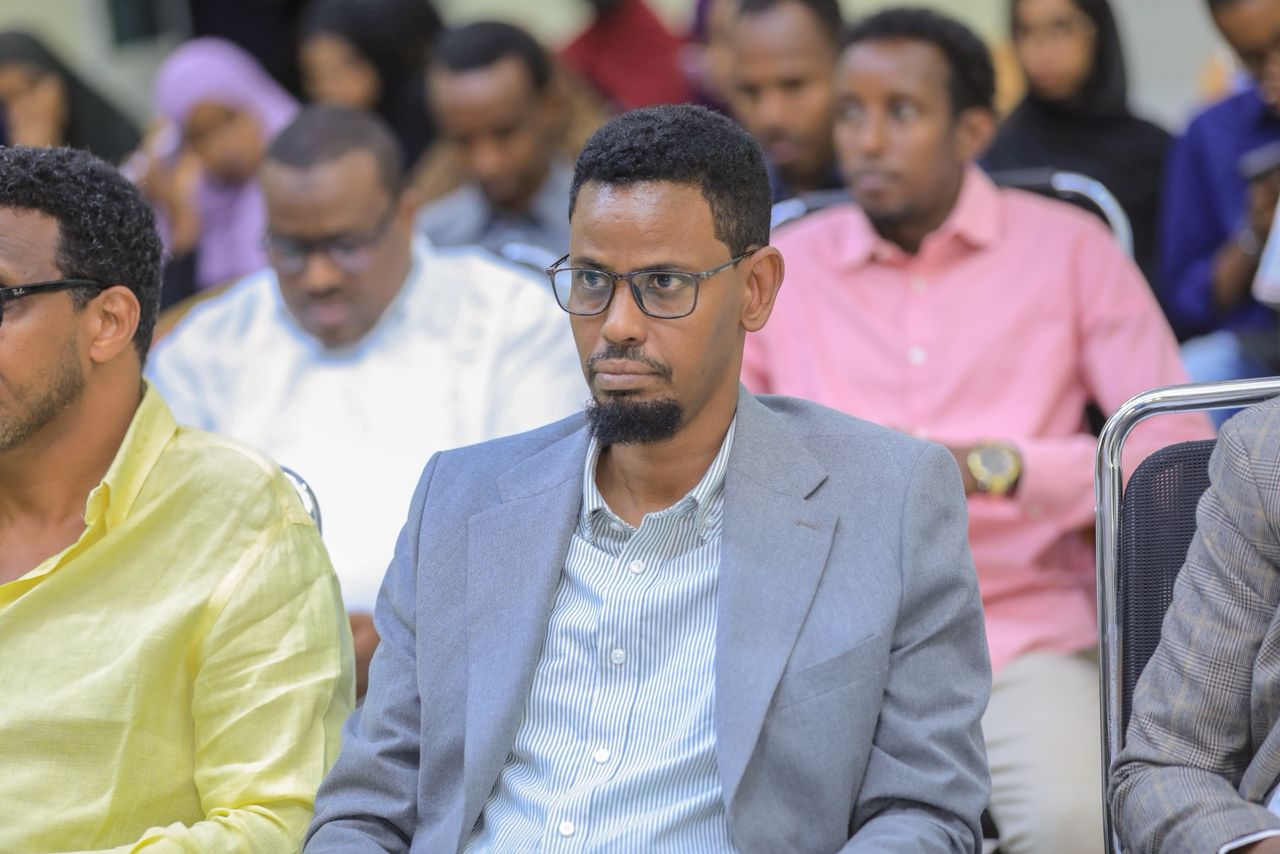
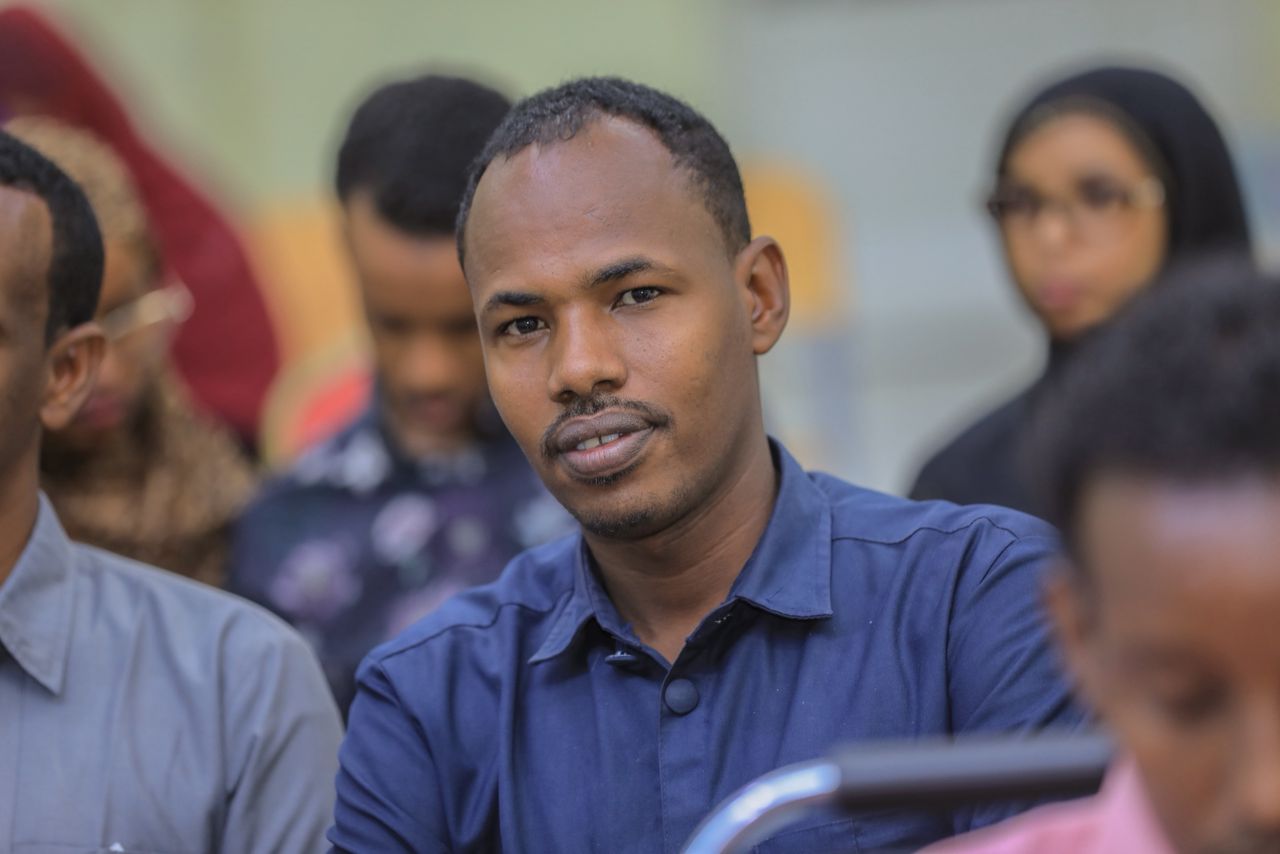
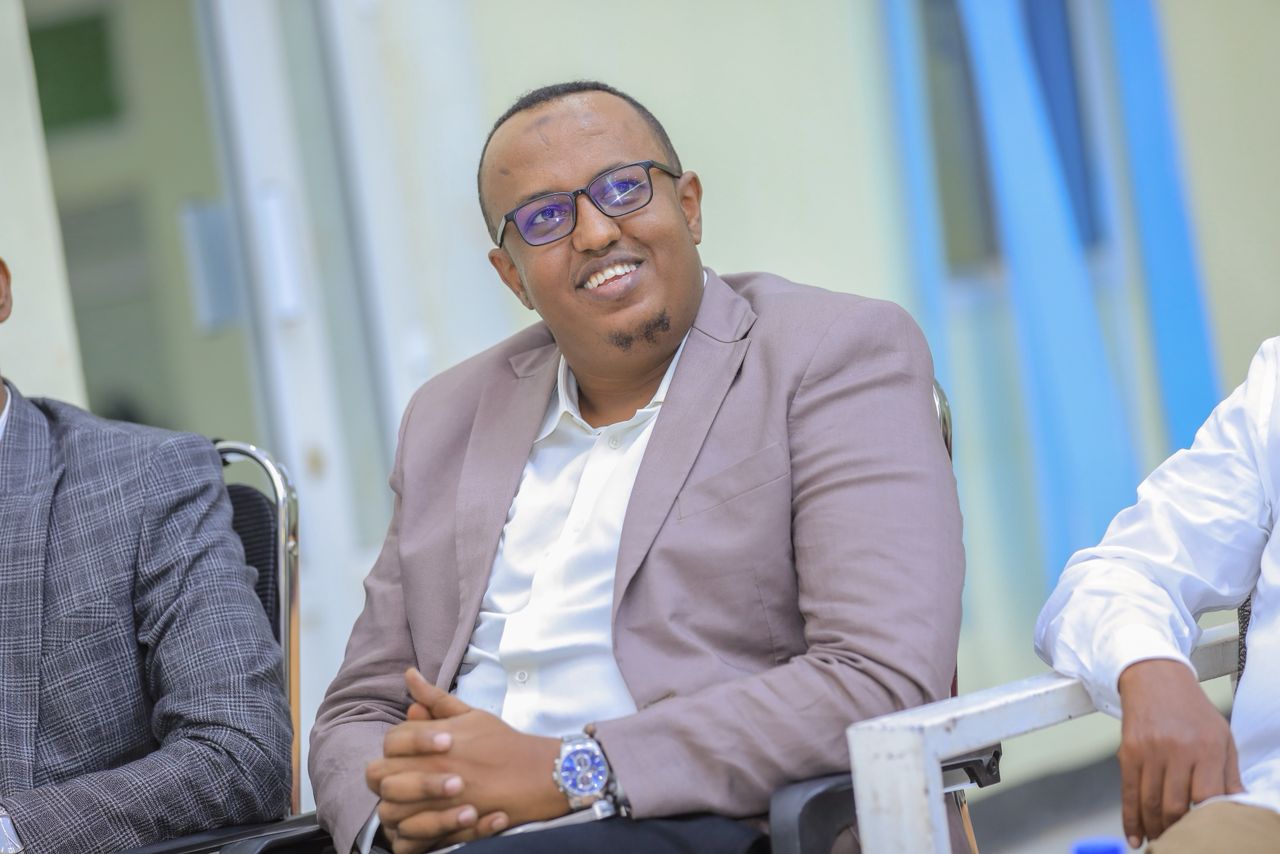
The ceremony drew an exceptionally powerful and diverse assembly of senior government officials, cabinet ministers, parliamentarians, top media executives, leading academics, influential civil society leaders, youth and women representatives, and some of the region’s most seasoned journalists.
The faculty builds on a rigorous curriculum drafted by MAP with support from an external expert and backed by Free Press Unlimited (FPU). The curriculum was validated during a multi-stakeholder forum in Garowe in August 2025, after which MAP and PSU reached a formal agreement for its adoption—paving the way for this historic launch and the enrollment of the inaugural cohort of 41 students, many of them practicing journalists.
For decades, Puntland’s media sector has struggled with a structural gap: journalists entering the profession without formal training, relying solely on experience and passion.
While these journalists carried an admirable commitment to serving the public, the absence of academic foundations posed challenges in reporting standards, media ethics, legal understanding, fact-checking, and handling sensitive issues. This long-standing reality shaped public perception, often undermining the credibility of journalism and creating uneven professional performance across newsrooms.
Today’s launch stands as a direct response to these challenges and signals a new era where journalism in Puntland will be anchored in academic rigor, ethical grounding, and globally aligned professional frameworks.
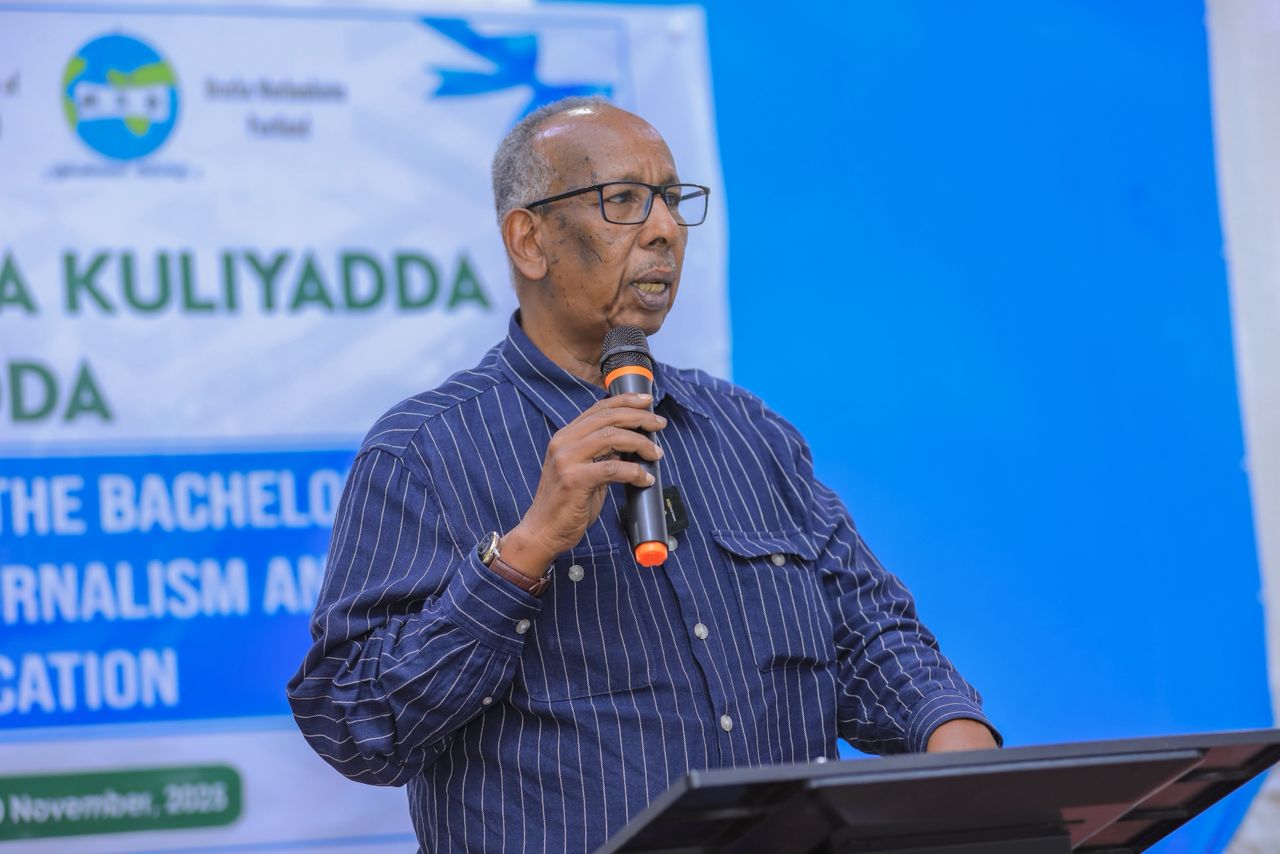
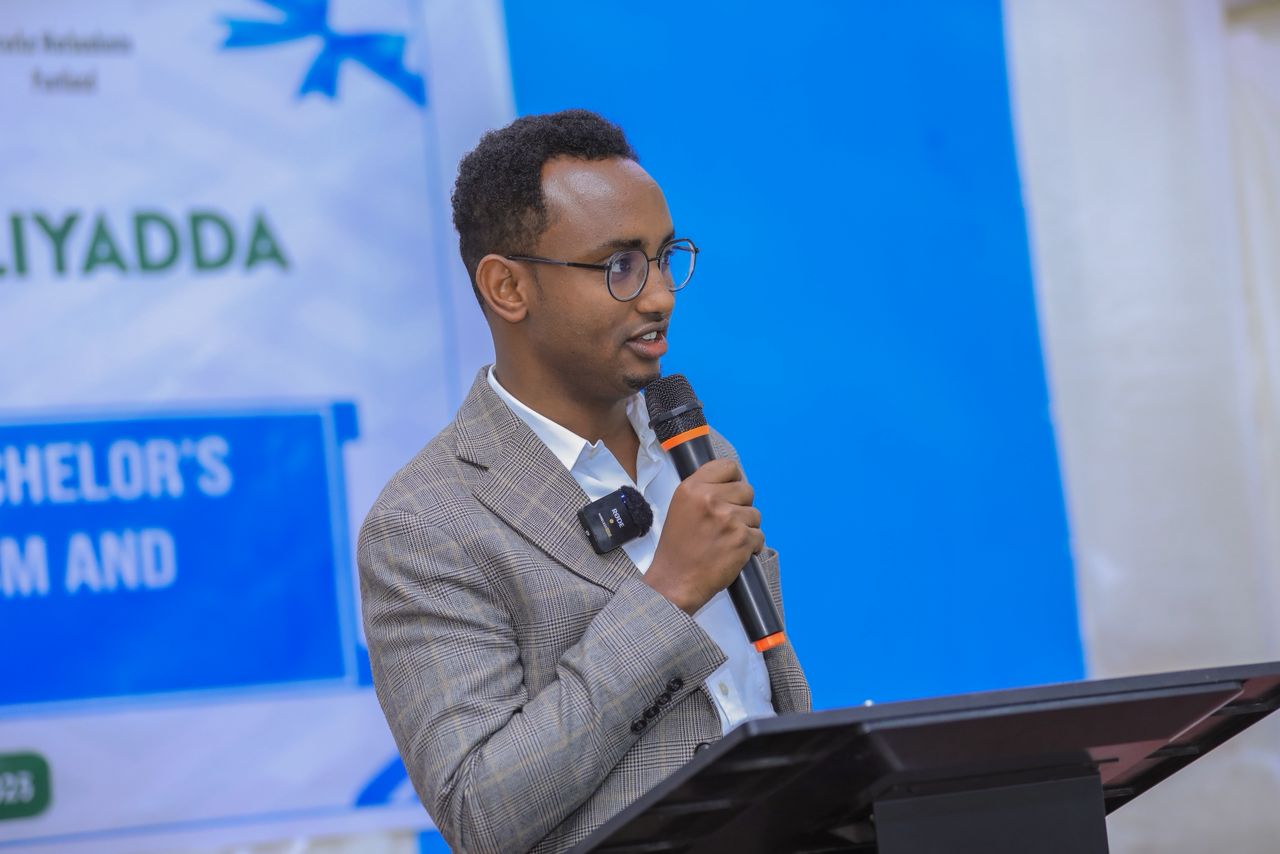
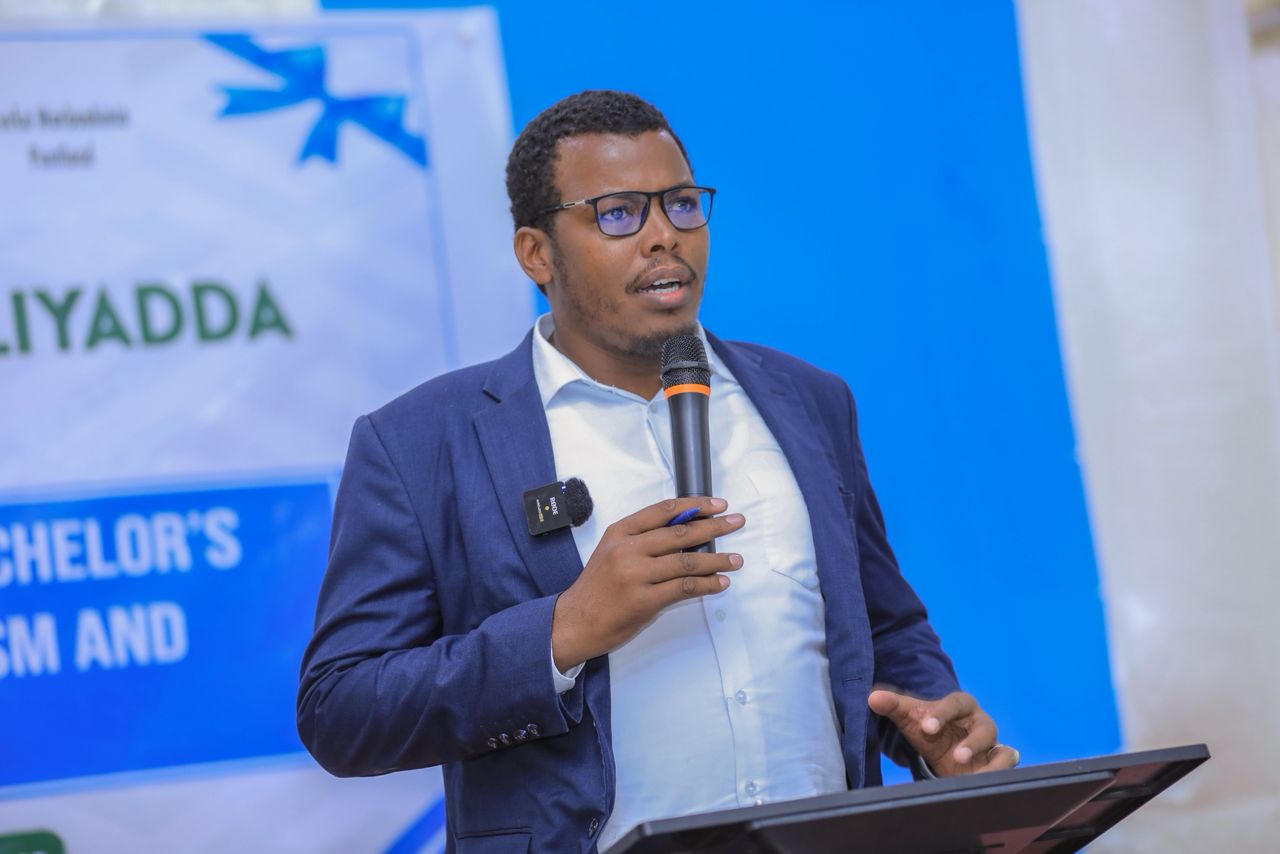
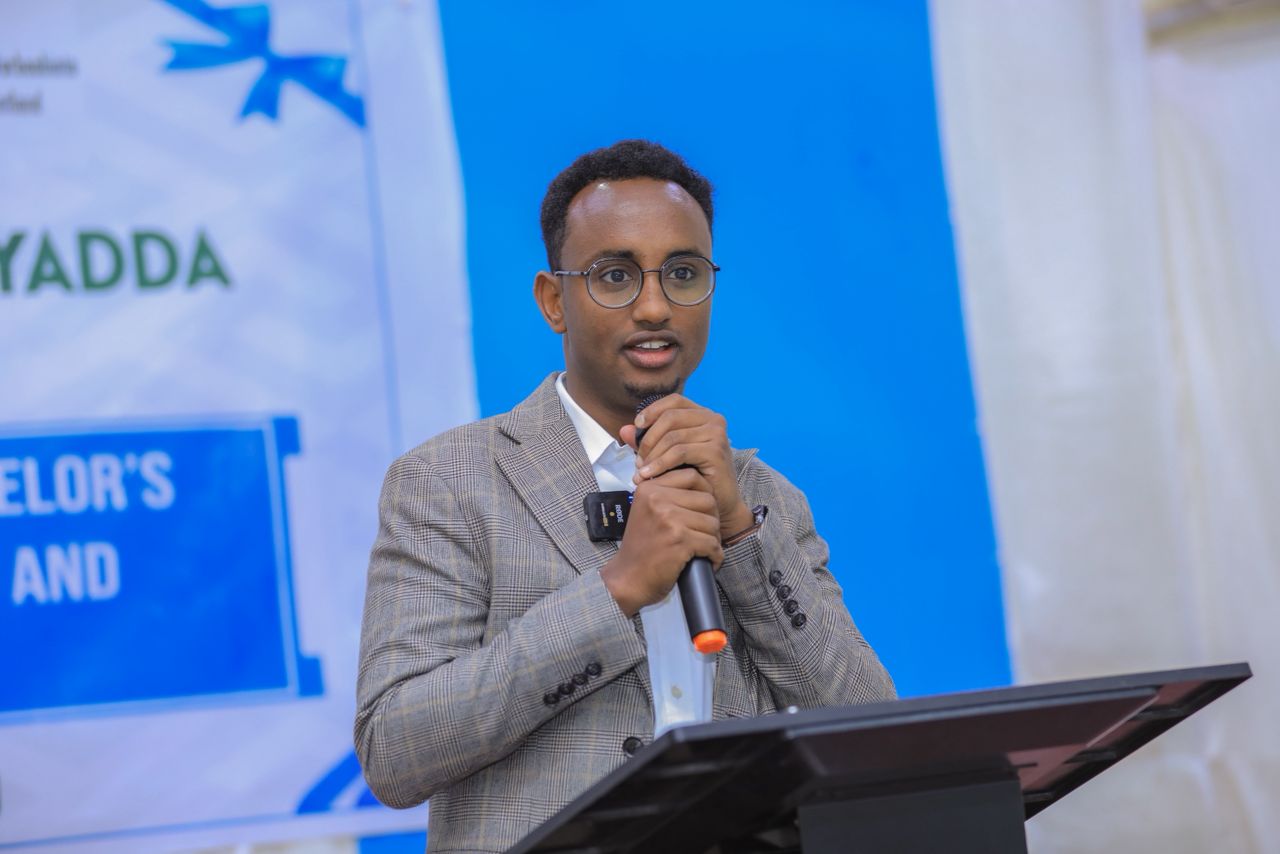
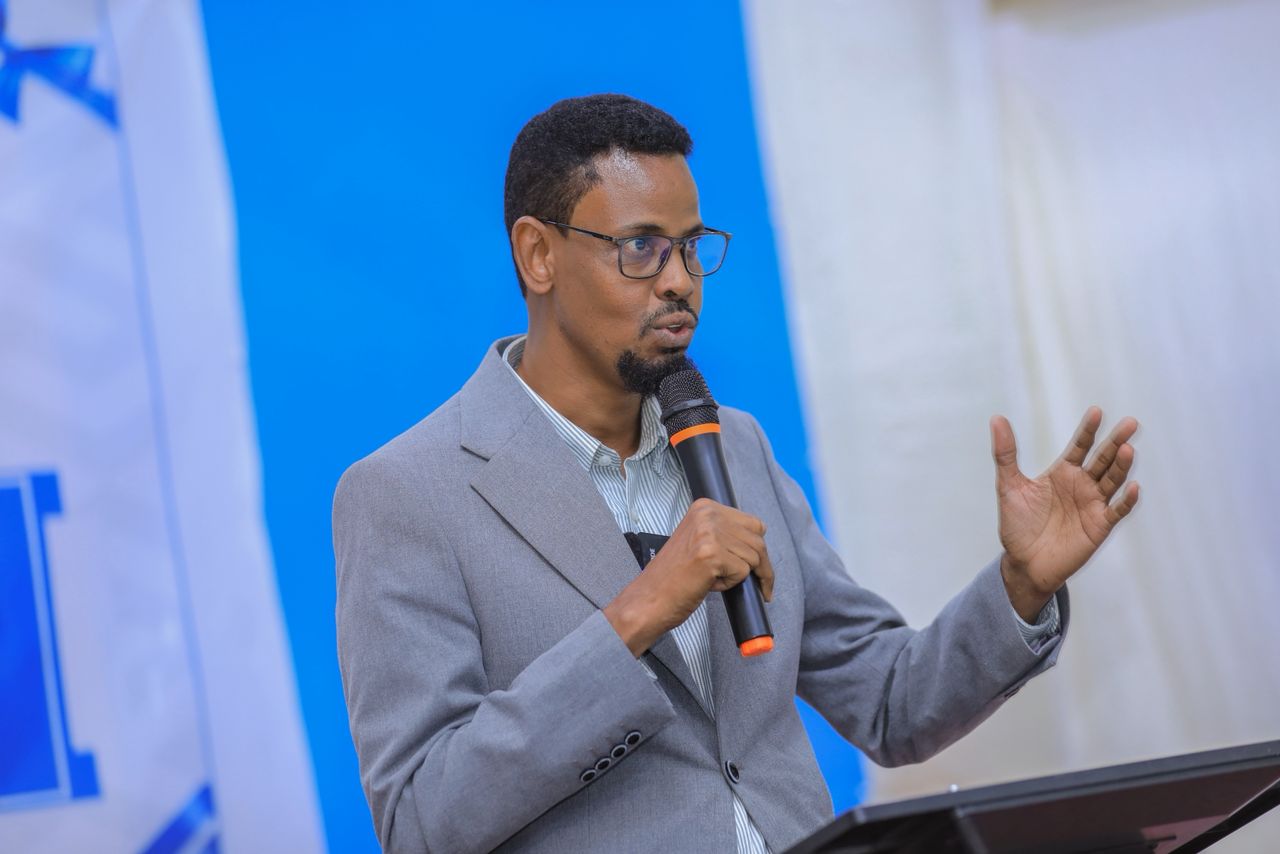
MAP Chairperson Mohamed Dahir Aynsane captured the historic significance of the launch, emphasizing the professional and societal transformation it represents. His remarks highlighted the culmination of MAP’s persistent advocacy for a credible, ethical, and protected media space in Puntland.
“For too long, our journalists served with dedication but lacked formal academic training. Today, we affirm that journalism is not just a job—it is a profession, a discipline, and a national responsibility. This faculty ushers in a future where journalists are equipped with knowledge, ethics, and structured frameworks to serve our society with integrity.”
Vice chancellor Academic Affairs of Puntland State University (PSU), Abdirizak Farah, praised the establishment of the Faculty of Journalism and Mass Communication, describing it as a milestone for higher education in Puntland. He pledged the university’s full support to ensure its success, committing PSU’s resources and expertise to provide a strong academic foundation, foster professional growth, and help shape the next generation of skilled and responsible journalists.
“The launch of this faculty is a milestone for higher education in Puntland. PSU is fully committed to supporting its success, providing the resources and guidance needed to train a new generation of skilled and responsible journalists.” – Abdirizak Farah, Vice chancellor Academic Affairs, PSU
Developed through wide consultations with 81 media practitioners and scholars, aligned with UNESCO standards, and informed by East African benchmarks, the new Bachelor of Journalism and Media Communication tackles the core challenges facing Puntland’s media sector. Across 38 courses over four years—from investigative reporting and media law to digital media, AI, peace journalism, and communication for development—the program directly responds to the region’s evolving professional needs.
The launch of the faculty also resolves a long-standing legal and institutional gap in Puntland’s media sector. For years, the media law required journalists to hold a university-level qualification, yet no such academic pathway existed. After sustained collaboration between MAP and the Ministry of Information, Puntland now has an institution capable of producing formally accredited journalists—removing a major barrier that hindered professionalism and compliance with the law.
“This faculty finally removes the barrier that prevented journalists from meeting legal accreditation standards,” Mohamed Isse Osman, Director General of the Ministry of Information.
Across ministries, leaders highlighted the faculty’s role in professionalizing the media, enhancing youth and women’s opportunities, strengthening higher education, and supporting informed public discourse. Their speeches reflected a unified commitment to cultivating a media sector capable of driving national progress, addressing emerging challenges, and promoting accountability, ethics, and societal resilience.
Minister of Labor Abdirahman Sheikh Ahmed welcomed the new faculty as a key step in opening professional pathways for youth and women in media. Minister of Education Fuad Abshir emphasized that it will equip journalists with the skills and ethics needed to strengthen public discourse in Puntland.
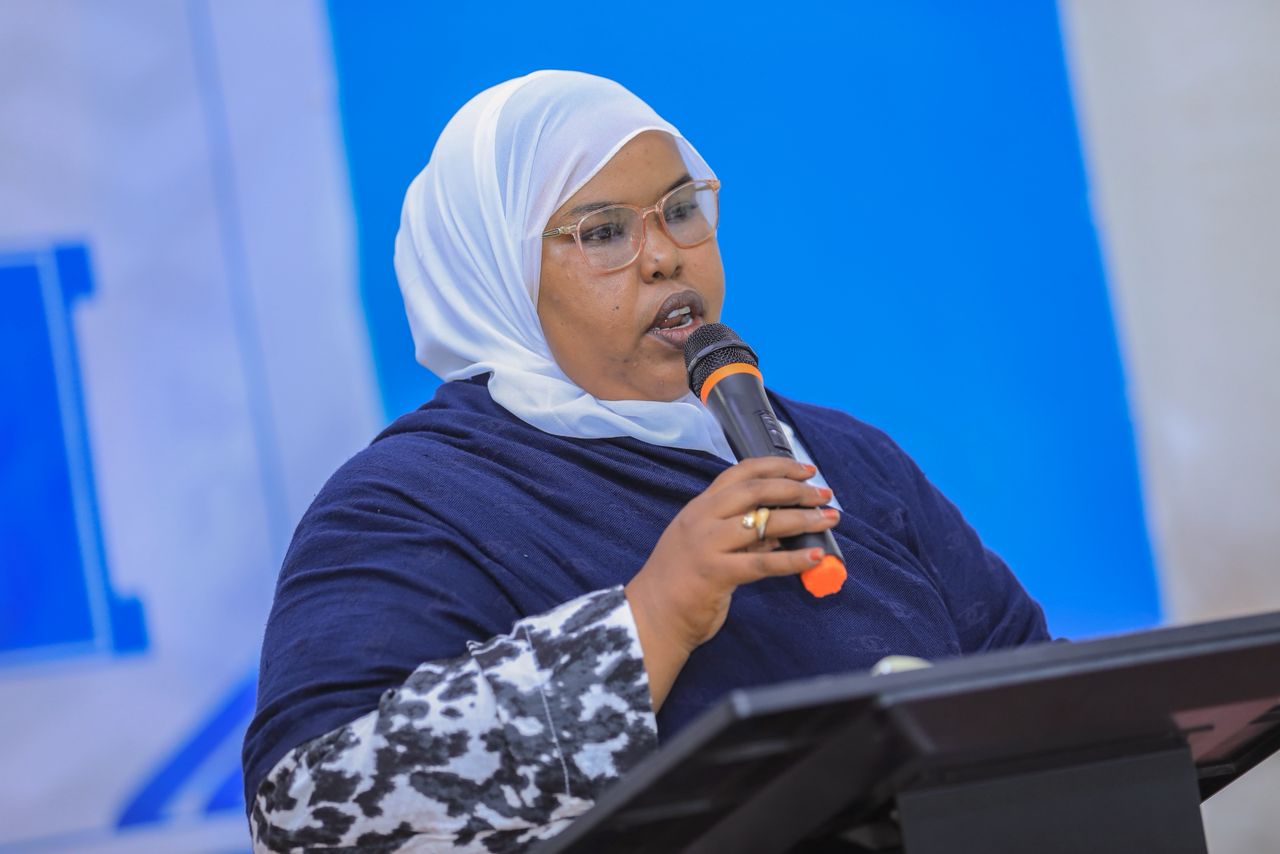
Minister of Ports Shakir Mohamed Gulled highlighted how a trained media, nurtured by the faculty, can enhance accountability and community engagement, while Minister of Humanitarian Affairs Ubah Abdirashid noted its role in producing journalists who deliver accurate, timely information that supports resilient communities.
Minister of Environment and Climate Change Mohamed Abdirahman stressed the faculty’s focus on environmental and climate reporting as vital for guiding public understanding of emerging challenges.
Mr. Abdinur Sh. Isak, Deputy Head of the Puntland Electoral Commission, urged journalists to fully embrace the faculty’s programs, recalling their critical role in ensuring transparency and countering misinformation during recent local elections.
Puntland MP Abdiaziz Dhahar, Chair of the Parliament’s Social Affairs Committee, called the launch a national milestone, noting that it finally meets the degree requirement under the 2024 Media Law and removes a longstanding barrier for journalists.
Collectively, these remarks highlight the faculty as a transformative force in shaping a skilled, ethical, and professional media sector that advances Puntland’s social, democratic, and environmental development.
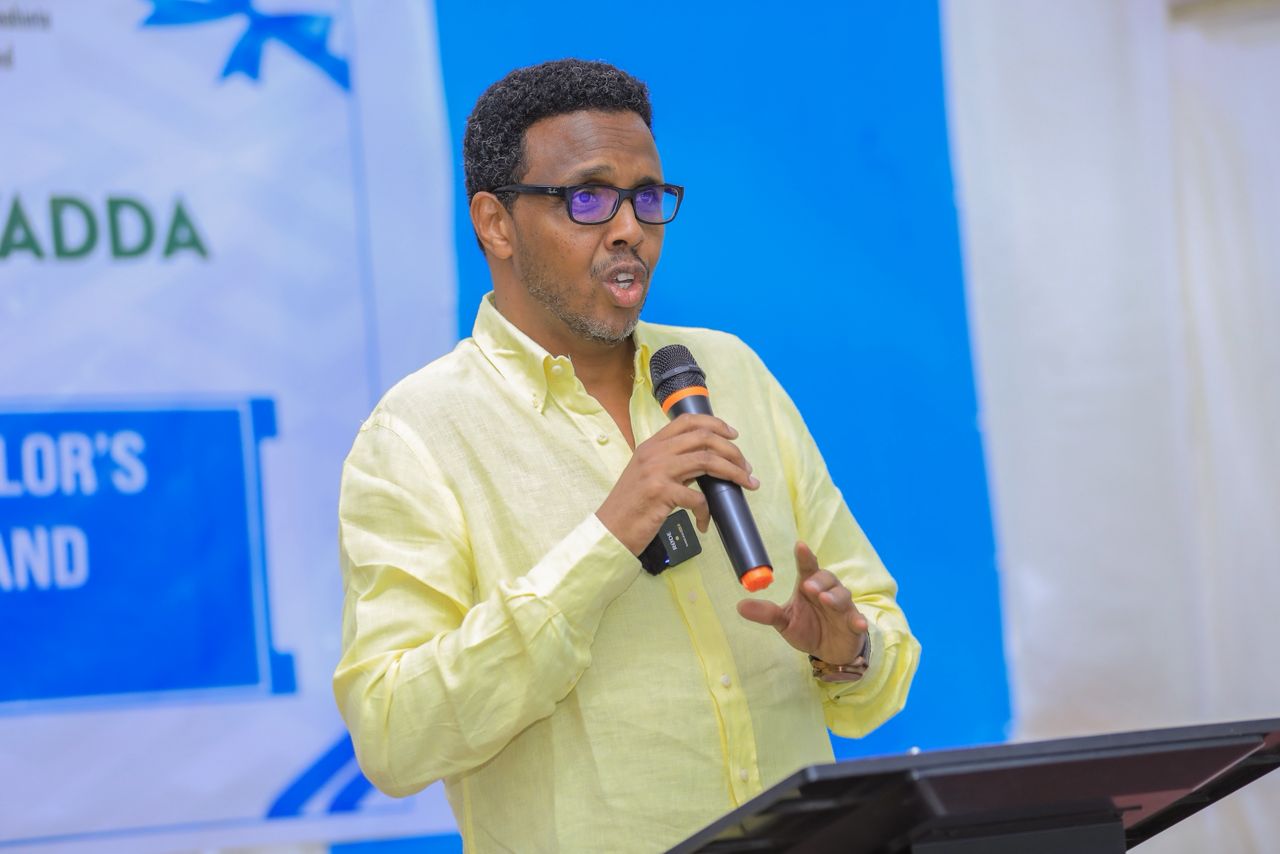
One of the most heartfelt reflections came from veteran journalist and Daljir Media Director, Khadar Cawl Ismaciil, who is among the 41 students currently enrolled in the journalism faculty. He shared that despite his many years of experience in the media, he had never pursued formal academic study in journalism, making his enrollment in the faculty a deeply significant step in his professional journey.
“We were what i call traditional journalists, working only from experience and often facing skepticism that our work required skill and discipline. Today, a new generation has the chance to change that. To the students joining this faculty: embrace this opportunity fully, learn with dedication, and use your skills to elevate journalism as a respected and essential profession.”
The ceremony featured a knowledge exhibition and a strategic presentation showcasing how the new curriculum aligns with global standards while responding to Puntland’s local realities. Participants described the launch as “a true testament to Puntland’s modernization of journalism,” reflecting confidence that the faculty will redefine the media landscape for decades to come.
MAP extended its gratitude to all partners, institutions, and individuals who contributed to making the launch possible and expressed hope that this new faculty will become a lasting pillar of professionalism, integrity, and academic excellence for Puntland’s media sector.
End